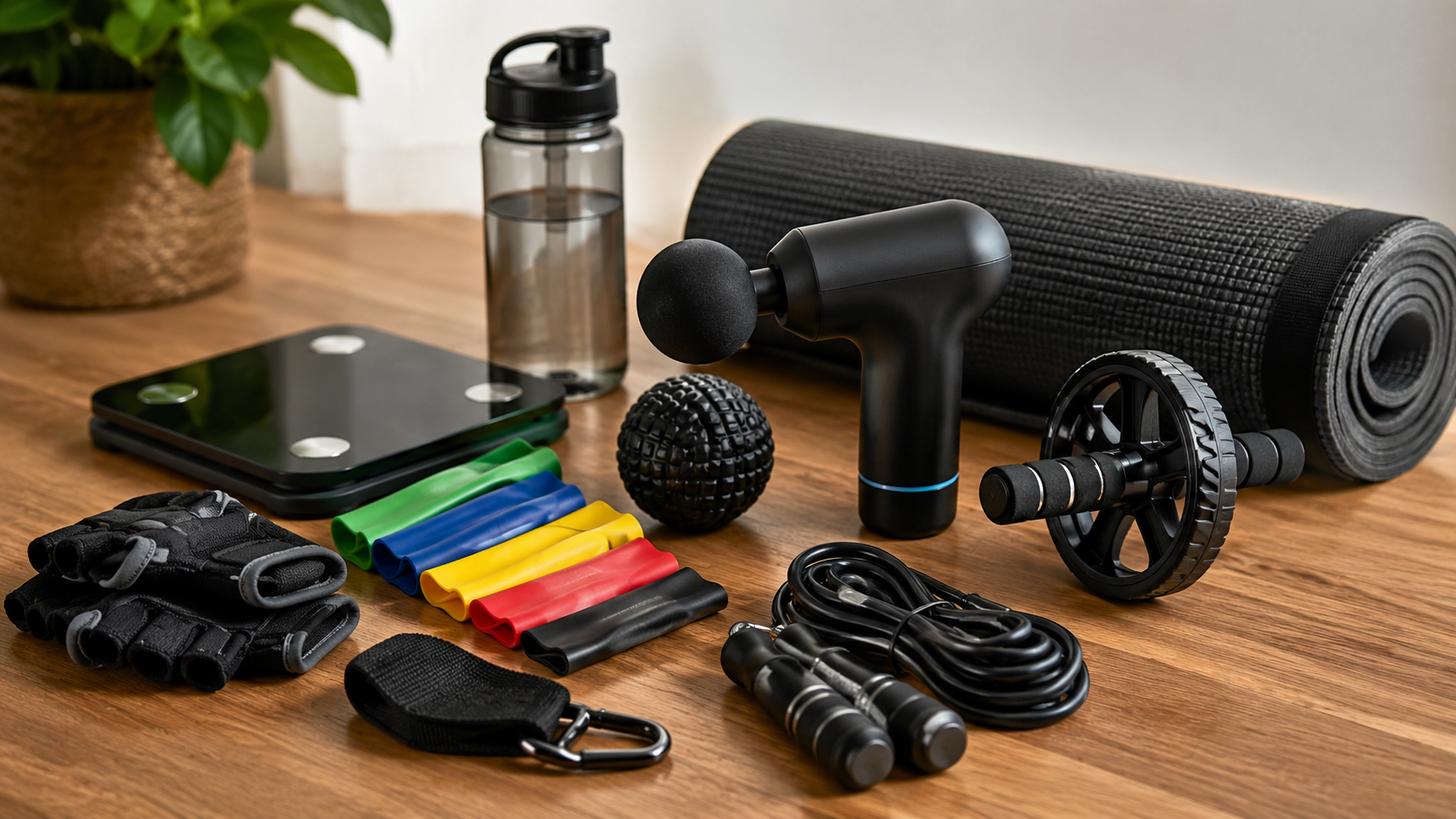
• Top Tools to Enhance Your Workout Recovery

    I’ve learned the hard way that training isn’t just about what you do in the gym.

    I’m an avid gym-goer and hockey player now, but over the last 12 years I’ve been in and out of fitness more times than I’d like to admit. I’ve dislocated both shoulders multiple times, dealt with long-lasting knee injuries, and spent a lot of time sitting in physio waiting rooms instead of training.

    Every injury taught me the same lesson:
    if recovery and warm-ups aren’t part of the routine, consistency doesn’t last.

    I’ve had plenty of phases where I felt good, trained hard, and then ended up back at square one because I ignored the boring stuff. These are the recovery tools that actually helped me stay in training longer — not by doing anything dramatic, but by making it easier to look after my body week after week.


    Foam Roller

    A foam roller is one of the first recovery tools I ever bought, and it’s one of the few I’ve never stopped using.

    With knee issues and tight hips from hockey, foam rolling helps me:

    • loosen up before sessions
    • reduce stiffness after training
    • keep my legs and lower back moving better

    It doesn’t need to be complicated or aggressive. A simple, medium-density roller used regularly does far more than expensive gear that only gets touched occasionally.

    This is one of those tools that quietly becomes part of your routine.


    Massage Stick

    I fantastic alternative to the foam roller. Why you ask? It’s super travel friendly, light, cheap and easy to use. I now always have one in my bag whenever I go to training on have weekend games. They’re excellent for pre and post-work outs especially when you don’t have access to a foam roller. When I don’t have the energy for full recovery sessions, a massage stick is usually what I reach for.

    I mainly use it on:

    • quads
    • calves
    • hamstrings

    Especially after hockey or leg-heavy gym days, it’s much easier to spend a few minutes with a massage stick than commit to longer recovery work. That ease matters — because the tool you actually use is always better than the one you don’t.


    Massage Gun

    Massage guns get a lot of hype, but used properly they can be genuinely helpful.

    I started out with a moderately cheap one and haven’t look back since, personally I don’t think the £200 ones make much of a difference..

    I’ve found them useful for:

    • easing tight muscles after heavy sessions
    • spot-treating areas that foam rollers can’t reach easily
    • speeding up recovery on busy weeks

    They’re not a replacement for good warm-ups or sensible training, but they can make recovery feel quicker and more manageable — especially when time is limited.


    Resistance Bands

    Resistance bands aren’t just for training — they’re one of my most-used recovery tools.

    After shoulder dislocations, bands became essential for:

    • warming up joints properly
    • light mobility work
    • controlled rehab-style movements

    They’re perfect for recovery days when you still want to move without loading joints heavily. Because they’re simple and low effort, they get used far more often than more complicated setups.


    Microwavable Heat Pads

    Heat has been a surprisingly useful part of my recovery routine.

    Microwavable heat pads are great for:

    • easing tight muscles
    • warming stiff joints
    • making movement feel more comfortable before training

    On days when my knees or shoulders feel particularly stiff, using heat beforehand can make the difference between training carefully and skipping a session entirely.

    They’re low effort, affordable, and easy to use — which is exactly why they work.


    Core Balance Wobble Cushion (Physio Cushion)

    This is one of the most underrated recovery tools I’ve used. Amazing for people looking to improve their balance and strengthen injury prone ankles.

    A wobble cushion is a budget-friendly, home-friendly version of a half exercise ball and is great for:

    • ankle and knee stability
    • balance work
    • gentle core activation
    • physio-style exercises

    I’ve used one during rehab phases to keep joints active without heavy impact. It’s especially useful if you’ve had knee issues and want to rebuild stability gradually.

    I’ve linked this one specifically because it’s so storage friendly, however if that’s not an issue for you. I’d suggest having a look at the half exercise ball.

    Because it doesn’t feel intense or intimidating, it fits easily into home routines.


    Why Recovery Tools Matter for Sustainability

    After years of injuries and false starts, I’ve realised that recovery tools aren’t about speeding things up — they’re about keeping you in the game.

    This isn’t a question of age or volume of exercise, it’s about maintaining your body for your future self. Because trust me, all it takes is that one knee or ankle injury, and if you don’t recover properly and look after yourself, you’ll experience the same issues forever. On the bright side, I’ve learnt that no matter how bad the injury.. there’s always a journey back to your best self.

    The tools that make training sustainable:

    • reduce stiffness and soreness
    • support proper warm-ups
    • make movement feel easier
    • help you train consistently instead of pushing too hard

    You don’t need everything. A small set of reliable recovery tools that you actually use will always beat a cupboard full of equipment that never gets touched.

    These are the recovery tools that helped me train more consistently — not perfectly, but sustainably.


    As an Amazon Associate I earn from qualifying purchases. This post may contain affiliate links. If you buy through them, we may earn a small commission at no extra cost to you.

  • Must-Have Equipment for Consistent Home Training

    I’ve trained on and off for most of my life.

    I’m an avid gym-goer and hockey player now, but it hasn’t been a smooth journey. Over the last 12 years I’ve played multiple sports, dislocated both shoulders several times, and dealt with long-term knee injuries that have taken me in and out of physio more times than I can count. Because of that, consistency has always been the hardest part.

    I’ve had plenty of phases where I tried to train at home — usually when injuries, time, or motivation made the gym less realistic. And like most people, I bought a lot of gear that sounded good but never actually got used.

    What I’ve learned over time is simple:
    home workout gear only sticks if it’s easy to use, joint-friendly, and flexible enough to meet you where you’re at.

    These are the pieces of home workout gear that genuinely get used — not because they’re exciting, but because they make training possible even when things aren’t perfect.


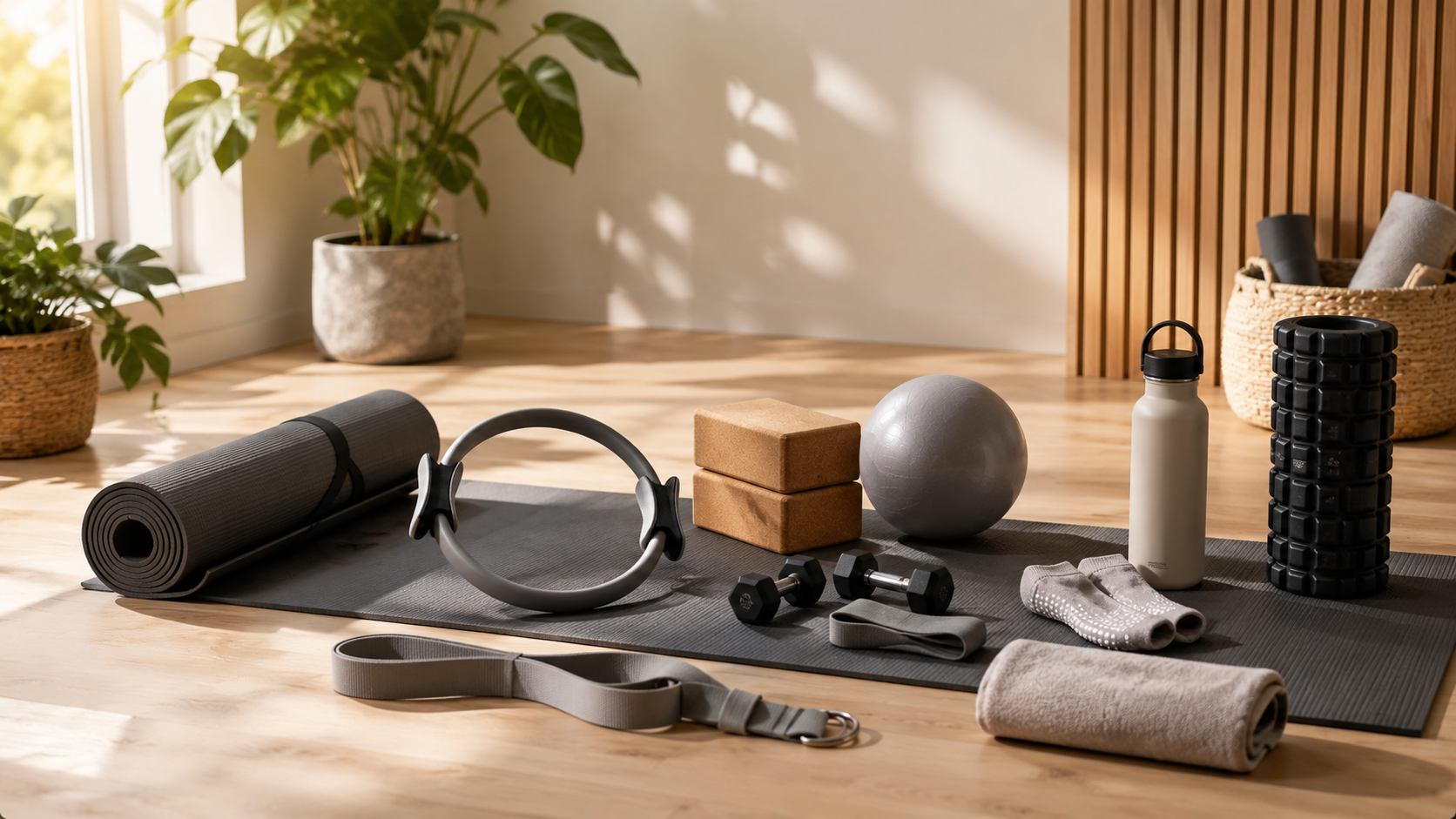
    Exercise Mats

    Now let’s be realistic, this should be the first thing in your shopping basket. Because if you intend on working out at home, I promise you most of that time will be spent on the floor so you’re going to want to have a comfortable mat for that otherwise you will give up VERY quickly. This might be the most overlooked piece of home workout gear.

    A proper exercise or roll mat makes a huge difference for:

    • floor-based workouts
    • core work
    • stretching and mobility
    • bodyweight training

    When you’ve had knee problems, training directly on the floor just isn’t comfortable. A decent mat removes that barrier and makes it much easier to actually start a session.

    It sounds basic, but if the surface feels uncomfortable, workouts get skipped. This is one of those items that quietly enables everything else.


    Yoga Blocks

    Yoga blocks aren’t just for yoga. These are useful in countless ways, there are all sorts of exercise that require that little bit of raised tension that a yoga block can easily provide.. (they’re also dirt cheap)..

    I use them for:

    • mobility work
    • stretching tight hips and shoulders
    • modifying exercises when range of motion is limited
    • supporting joints during rehab-style movements

    After shoulder dislocations and knee issues, having ways to scale movements matters. Yoga blocks make exercises more accessible without making them feel pointless.

    They’re small, cheap, and surprisingly versatile — which is exactly why they don’t end up forgotten.


    Light Dumbbells

    Light dumbbells are one of the easiest ways to add resistance at home without committing to heavy or bulky equipment. If you want to see progress in your form, there’s no better way than to implement weights into your training, and starting out light is always a good idea.

    I’ve found them useful for:

    • shoulder-friendly strength work
    • rehab-style exercises (looking at you rotator cuffs…)
    • accessory movements
    • lower-impact sessions on recovery days

    When you’re rebuilding fitness or coming back from injury, light dumbbells let you train without pushing too far. Because they’re simple and quick to grab, they’re far more likely to be used than heavier setups.


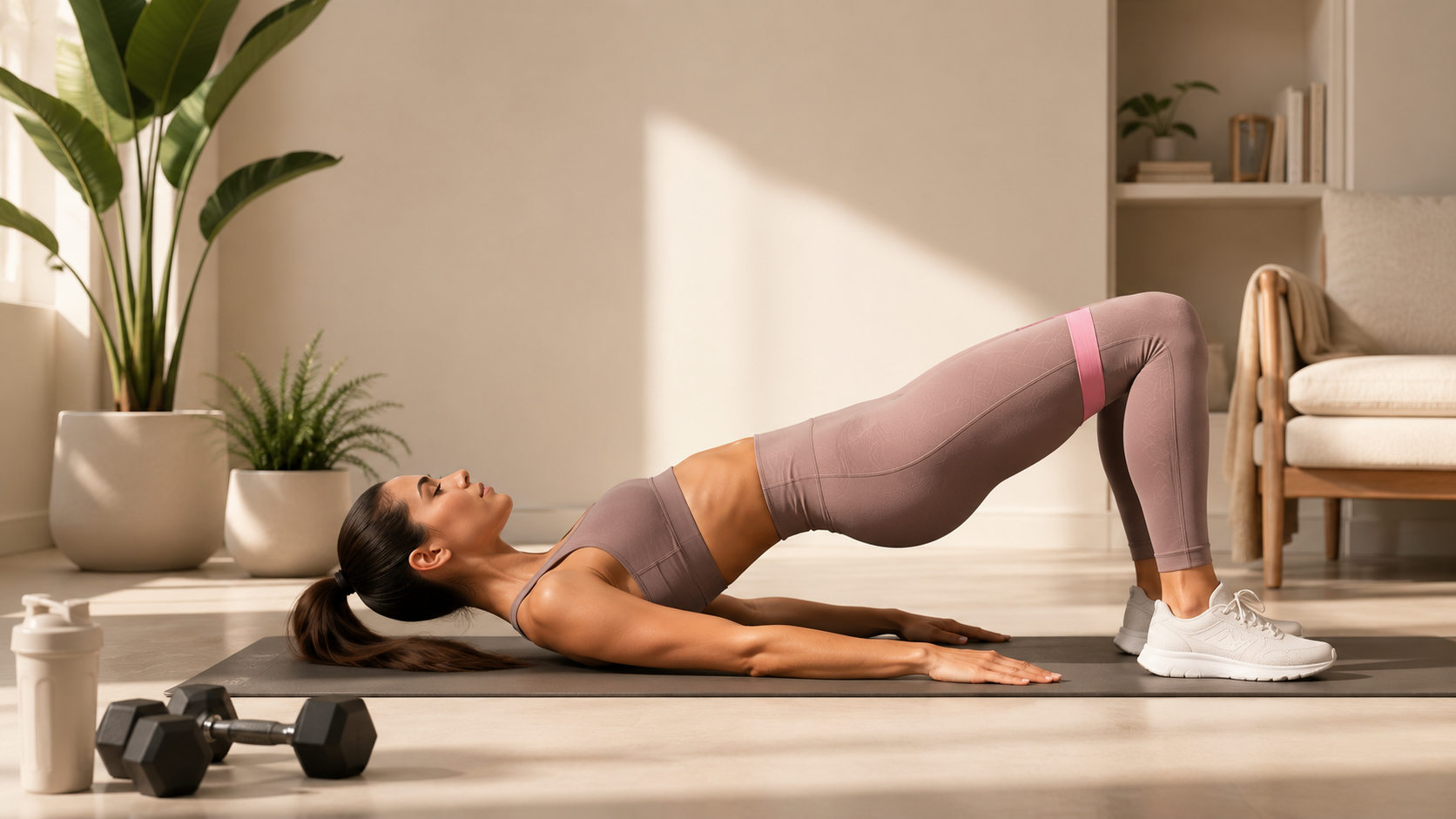
    Resistance Bands

    If there’s one piece of home workout gear I’d recommend to almost anyone, it’s resistance bands.

    After shoulder injuries, bands became essential for:

    • proper warm-ups
    • activation work (looking at you again rotator cuffs..)
    • controlled strength training
    • days when joints need something gentler

    They take up no space, work for full-body training, and make it easier to stay consistent even when motivation is low. I’ve used them during gym breaks, rehab phases, and busy weeks where a full workout wasn’t realistic.

    They’re simple — and that’s why they work.


    Adjustable Weight Vest

    When bodyweight exercises start to feel too easy, an adjustable weight vest is one of the most straightforward ways to increase difficulty. It’s such a good way to progress in exercises that are body weight based, I use them for push ups and chin ups all the time (and they don’t look lame which is a massive bonus).

    I’ve used weight vests for:

    • walking
    • squats
    • step-ups
    • push-ups

    Because the weight is evenly distributed, it feels controlled and stable — which matters if you’ve had knee or shoulder issues in the past. It allows you to progress without changing movements or adding complexity.

    It’s a practical upgrade that still keeps workouts simple.


    Push-Up Bars

    Okay okay I get they’re not massively essential, but trust me.. if you can start using these babies on your push-ups you’re gonna see some seriously fast progress. Push-up bars are a small change that make a big difference.

    For anyone with wrist or shoulder issues, they:

    • reduce wrist strain
    • allow a more natural shoulder position
    • make upper-body work feel more comfortable

    Push-ups are a great home exercise, but discomfort can quickly kill motivation. Push-up bars remove that friction, which makes them far more likely to be used regularly.

    They’re small, easy to store, and do exactly what they need to do.


    Why This Gear Actually Gets Used

    These are all things I’ve compiled over the years and now use them routinely, especially on the days I can’t get to the gym. A 30 minute work out session with this equipment helps me stay consistent on those days I don’t have it in me to trek to the gym. After years of inconsistency, injuries, and trying to “start again,” I’ve realised that the best home workout gear shares a few things in common:

    • it’s simple
    • it’s joint-friendly
    • it’s quick to set up
    • it doesn’t take up much space
    • it adapts as your fitness changes

    You don’t need a full home gym. A handful of well-chosen tools that make training easier to start — and easier to stick with — will always beat equipment that looks impressive but never gets used.

    This is the home workout gear that earned its place, because it actually gets used.


    As an Amazon Associate I earn from qualifying purchases. This post may contain affiliate links. If you buy through them, we may earn a small commission at no extra cost to you.

  • Fitness Accessories That Actually Get Used

    I’ve been in and out of fitness for most of my life.

    I’m an avid gym-goer now, and I play hockey, but it hasn’t been a smooth journey. I’ve played various sports for over 12 years and picked up my fair share of injuries along the way — including multiple shoulder dislocations on both sides and long-lasting knee issues that sent me back and forth to physio more times than I’d like.

    Because of that, I’ve experienced that frustrating cycle of:

    • starting training
    • getting injured
    • stopping
    • trying to “start again”

    More times than I can count.

    What I’ve learned the hard way is this:
    the accessories that matter aren’t the flashy ones — they’re the ones that help you warm up properly, train consistently, and stay injury-free enough to keep showing up.

    I’ve bought plenty of fitness gear that never got used. These are the accessories that didn’t end up at the bottom of a cupboard. The last one is on my desert island list of only 5 items to bring.


    Rechargeable Magnetic Hand Warmers

    Okay okay hear me out.. Cold hands are one of those small things that can quietly ruin a session — especially in winter, early mornings, or when you’re training after work. These rechargeable magnetic hand warmers are a game. changer.

    I initially got them for my winter-time hockey playing, because hands are pretty important in hockey as you can imagine. Now I can’t leave the house without them if it’s cold!

    It sounds silly but they genuinely helped me so much to stay consistent. My biggest challenge staying consistent was not wanting to leave the house because it was too cold!!


    Resistance Bands

    I refused to use these for years.. now I’m buying them every 6 months because I’m wearing them out. Resistance bands are one of the most useful tools I’ve ever owned, especially after shoulder injuries.

    I use them for:

    • shoulder warm-ups
    • activation work
    • rehab-style movements
    • light training on low-energy days

    When you’ve dislocated shoulders before, warming up properly stops being optional. Bands make it easier to ease into sessions without jumping straight into heavy loads.

    They’re cheap, portable, and versatile — which is exactly why they actually get used.


    Core Sliders

    Core sliders are one of those accessories that don’t look impressive but end up being incredibly useful. And a mere 5 minutes a day will seriously help you get that core stronger. And stronger core means stronger everything.

    I use them for:

    • core work
    • hamstring exercises
    • warm-ups
    • low-impact movements when joints are feeling rough

    They’re joint-friendly, quiet, and easy to use at home or in the gym. On weeks where motivation is low or my knees don’t feel great, sliders still let me move without pushing things too far.

    They’re simple — and that’s why they don’t get ignored.


    Wrist Wraps

    I avoided wrist wraps for a long time, but after years of hockey and shoulder issues, they started to make sense.

    Wrist wraps aren’t about lifting more weight — they’re about:

    • feeling supported
    • reducing unnecessary strain
    • staying comfortable during pressing movements

    When shoulders have been unstable in the past, everything upstream matters. Wrist wraps feel preventative rather than aggressive, and they help me train without constantly worrying about small aches turning into bigger problems. To be brutally honest, I’ve tried a few different ones.. and I think you don’t need to break the bank for these..

    They’re one of those items you don’t use every session — but when you need them, you really need them.


    Foam Roller

    Okay I’m actually very passionate about these. I think it should be a law that anyone over 25 needs to recovery just meant more time off later. A foam roller helps me:

    • loosen up before training
    • reduce stiffness afterwards
    • keep my knees and hips moving properly

    It doesn’t need to be fancy. A simple, medium-density roller is enough for most people, and once it becomes part of your routine, it’s hard to go without.

    15 minutes a day keeps the physio away.


    Why These Accessories Stick Around

    After years of inconsistency, injuries, and restarts, I’ve realised that the best fitness accessories share a few things in common:

    • they’re simple
    • they reduce injury risk
    • they support warm-ups and recovery
    • they don’t require huge effort or motivation
    • they fit into real life

    You don’t need a massive collection of gear. A small set of reliable accessories that help you stay consistent is far more valuable than buying new equipment every few months.

    These are the fitness accessories that earned their place in my routine — not because they’re exciting, but because they actually get used.


    As an Amazon Associate I earn from qualifying purchases. This post may contain affiliate links. If you buy through them, we may earn a small commission at no extra cost to you.