• Apple Watch Series 11 vs Apple Watch SE GPS: Which Should You Actually Buy for Fitness in 2026

    As an Amazon Associate I earn from qualifying purchases. This post may contain affiliate links. If you buy through them, we may earn a small commission at no extra cost to you.


    If you’re serious about tracking your fitness, or even just trying to stay consistent, a smartwatch can quietly become one of the most useful tools in your life.

    But choosing the right one is where people get stuck.

    The Apple Watch Series 11 and the Apple Watch SE GPS look similar… but they’re built for completely different types of users.

    And honestly, picking the wrong one just leads to regret.

    This guide breaks it down properly. No fluff. Just what actually matters when you’re about to spend your money.


    I’ve tested a lot of fitness gear over time, and honestly most of it overpromises.

    For this comparison, I focused on what actually matters in day to day use:

    • Reliability and build quality
    • Real user feedback and long term reviews
    • Ease of use during workouts
    • Value for money over time
    • How it actually fits into your routine

    Because the truth is… the best watch isn’t the one with the most features.

    It’s the one you actually use every day.


    If you’re short on time, here’s the quick breakdown.

    Product NameBest ForTypePrice (£,££,£££)
    Apple Watch Series 11Advanced fitness trackingPremium smartwatch£££
    Apple Watch SE GPSBeginners and casual usersBudget smartwatch££

    Apple Watch Series 11

    The most complete Apple Watch with advanced health tracking, brighter display and better performance.

    Best for people training regularly or tracking serious goals.

    Check price on Amazon.

    Apple Watch SE GPS

    A stripped back version that keeps the essentials.

    Perfect for steps, workouts and basic tracking without overcomplication.

    Check price on Amazon.


    Full Comparison Breakdown

    Design and Feel

    Both watches look very similar at first glance.

    But the Series 11 feels more premium instantly.

    • Thinner bezels
    • Brighter always on display
    • More polished finish

    The SE feels lighter and simpler. Not bad at all… just less premium.

    If you care about aesthetics or wearing it all day, Series 11 wins easily.


    Fitness Tracking and Performance

    This is where things separate properly.

    Apple Watch Series 11:
    • More advanced sensors
    • Better heart rate tracking
    • ECG and deeper health metrics
    • More accurate calorie tracking

    Apple Watch SE:
    • Basic heart rate
    • Workout tracking still solid
    • No advanced health features

    If you’re training seriously or trying to optimise performance…

    Series 11 is a GAME CHANGER.

    If you just want to stay active and track steps…

    SE is more than enough.


    Battery Life

    Neither of these are battery kings.

    But…

    • Series 11 is slightly more efficient
    • SE is consistent but basic

    You’ll still be charging daily either way.

    Not ideal… but you get used to it fast.


    Ease of Use

    This is where the SE quietly wins.

    Okay okay okay I know I said premium is better…

    But simplicity matters.

    The SE:
    • Less clutter
    • Easier to understand
    • Less overwhelming

    The Series 11:
    • More features
    • More menus
    • Takes longer to fully use properly

    If you hate complicated tech… the SE just feels better.


    Value for Money

    This is the real decision point.

    Series 11:
    • Expensive upfront
    • But lasts longer
    • More future proof

    SE:
    • Cheaper
    • Does the basics well
    • Might feel limited later

    If you’re unsure, the SE is a safe start.

    If you already know you’re committed… go Series 11.


    Things to Keep in Mind Before Buying

    Size or Portability

    Both are lightweight and easy to wear daily. You won’t notice much difference unless you’re very picky about wrist feel.

    Performance or Power

    Series 11 is faster and smoother. SE is still good, just slightly less responsive.

    Ease of Use

    SE wins for simplicity. Series 11 takes time to fully understand.

    Maintenance and Durability

    Both are solid. Apple build quality is incredddible. Just don’t smash it into gym equipment.

    Energy Efficiency

    You’ll charge both daily. No huge difference here.

    Long Term Value

    Series 11 holds value better and lasts longer feature wise.


    Choosing the Right Type

    If you want convenience

    Go for the Apple Watch SE GPS. It just works. No thinking required.

    If you want performance

    Series 11 all day. More data, more control, better insights.

    If you want a budget option

    SE is the obvious choice. Lower cost, still very usable.

    If you want a premium experience

    Series 11. Feels better, performs better, lasts longer.


    Real Value Over Time

    This is where most people get it wrong.

    Buying cheap twice costs more than buying right once.

    The SE is perfect for starting out.

    But if you already know you’re going to stick with training…

    Series 11 makes more sense long term.

    Better data. Better experience. Less upgrading later.


    Setup Ideas and Inspiration

    Think beyond just wearing it.

    Here’s how people actually use these day to day:

    • Minimal fitness setups with just watch and headphones
    • Home office setups where activity rings keep you moving
    • Small space setups where workouts are tracked without bulky equipment
    • Clean gym setups focused on tracking reps, calories and progress
    • Workspace inspiration where your watch keeps you accountable during long work sessions

    This is where it becomes more than a gadget.

    It becomes part of your routine.


    Frequently Asked Questions

    What is the best Apple Watch for fitness tracking

    The Series 11 is better for advanced tracking. The SE is better for simple everyday use.

    Is the Apple Watch SE enough for the gym

    Yes. For most people it does everything needed. Steps, workouts and heart rate.

    Are expensive Apple Watches worth it

    If you train seriously or want detailed data, yes. Otherwise the SE is enough.

    How long do Apple Watches last

    Usually 3 to 5 years depending on usage and updates.

    What should beginners choose

    Start with the SE. Upgrade later if needed.


    Final Verdict

    If you want simple, affordable and effective
    → Apple Watch SE GPS

    If you want advanced tracking and long term value
    → Apple Watch Series 11

    Both are solid.

    It just depends how serious you are about your fitness.


    Fitterdaily is supported by its readers and participates in affiliate marketing programs, including Amazon Associates. We may earn commissions from qualifying purchases made through links on this site, at no additional cost to you.
    Some images featured on Fitterdaily are digitally generated concept designs created for inspirational purposes. These visuals may not represent physical products or real life spaces exactly as shown.
    All content is provided for informational and inspirational purposes only. While we strive for accuracy, we make no guarantees regarding product availability, pricing, specifications, or suitability. Please verify all product details directly with the retailer before purchasing.

  • 60 Day Summer Workout Plan for Women at Home That Actually Works

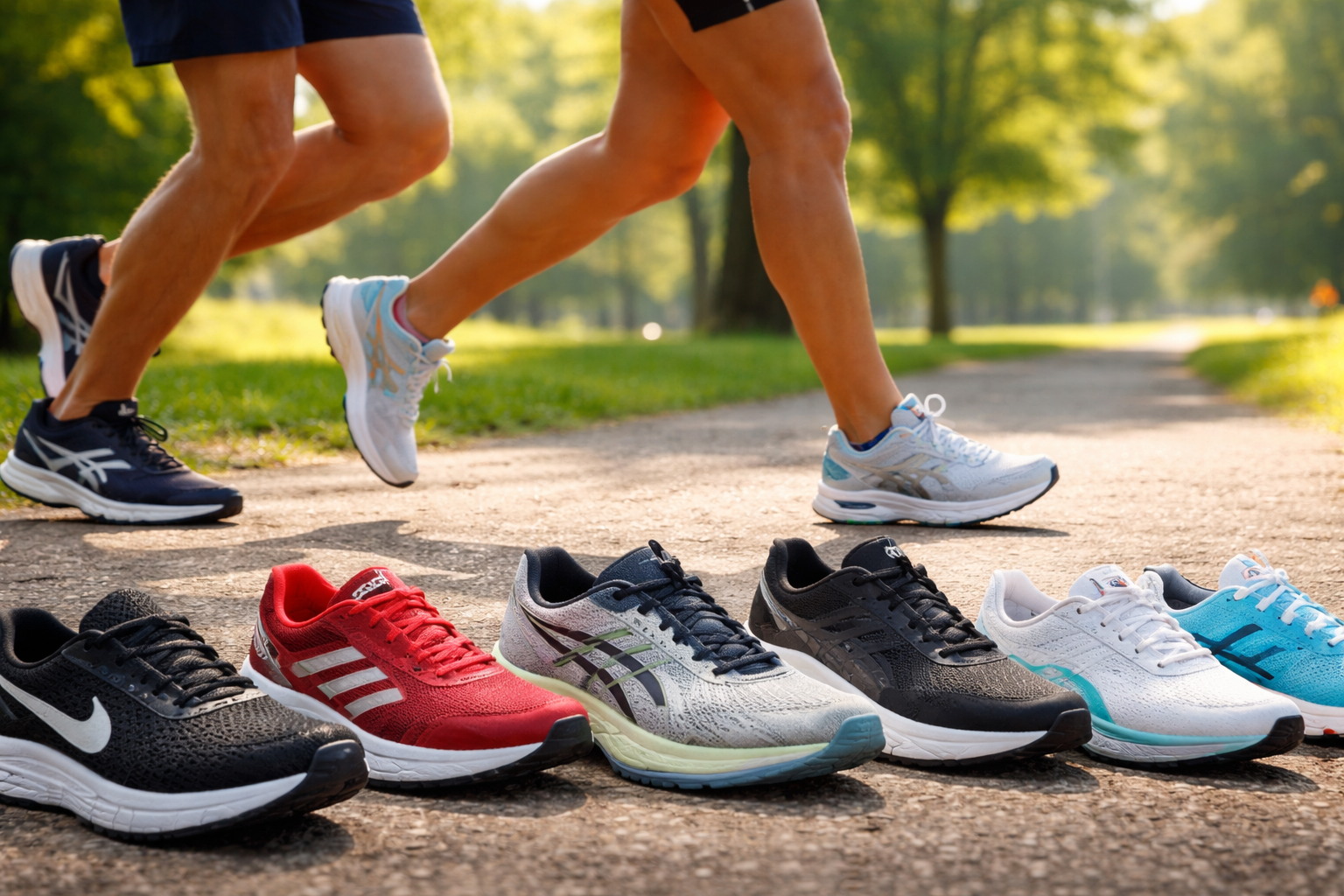
    Alright… wait wait wait just bare with me on this.

    I’ve been in and out of fitness for YEARS. Hockey, gym phases, injuries, physio visits… dislocated shoulders, dodgy knees, the whole thing. I know exactly what it feels like to restart AGAIN.

    This plan is what I wish I had when I kept falling off.

    Short. Simple. Effective. No fluff.


    What This 60 Day Plan Is About

    • Build a lean, toned summer body from home
    • Keep it realistic so you ACTUALLY stick to it
    • Focus on consistency over perfection
    • Minimal equipment needed
    • Designed for busy schedules

    Okay okay okay I know I said “simple”… but trust me, simple = results.


    Weekly Workout Structure

    • Day 1: Lower Body
    • Day 2: Upper Body
    • Day 3: Core + Cardio
    • Day 4: Rest or Light Walk
    • Day 5: Full Body
    • Day 6: Cardio Focus
    • Day 7: Rest

    Repeat for 8 weeks. Progress intensity slightly every 2 weeks.


    Day 1 Lower Body (Glutes + Legs Focus)

    • 3 sets of 15 squats
    • 3 sets of 12 lunges each leg
    • 3 sets of 15 glute bridges
    • 3 sets of 12 Romanian deadlifts
    • 2 sets of 20 step ups

    Rest 45 to 60 seconds between sets

    Slow it down… feel the burn… trust me this one hits


    Day 2 Upper Body (Tone + Strength)

    • 3 sets of 10 push ups
    • 3 sets of 12 dumbbell shoulder press
    • 3 sets of 12 bent over rows
    • 3 sets of 10 tricep dips
    • 3 sets of 12 bicep curls

    If push ups are hard… go on your knees. No ego here.


    Day 3 Core + Cardio (Fat Burn Day)

    • 3 sets of 20 bicycle crunches
    • 3 sets of 30 sec plank
    • 3 sets of 20 mountain climbers
    • 3 sets of 15 leg raises
    • 2 rounds of:
      • 30 sec high knees
      • 30 sec jumping jacks

    This one feels easy… then suddenly… it’s NOT 😭


    Day 5 Full Body (Best Session imo)

    • 3 sets of 12 squats
    • 3 sets of 10 push ups
    • 3 sets of 12 lunges each leg
    • 3 sets of 12 shoulder press
    • 3 sets of 30 sec plank

    This is where everything starts to come together


    Day 6 Cardio + Abs (Finish Strong)

    • 3 rounds:
      • 30 sec jump squats
      • 30 sec mountain climbers
      • 30 sec plank
      • 30 sec rest

    Then:

    • 3 sets of 20 crunches
    • 3 sets of 15 leg raises

    Sweaty… messy… incredddible


    Progression (Do NOT Skip This)

    • Weeks 1 to 2: Just complete the workouts
    • Weeks 3 to 4: Add 5 reps to each exercise
    • Weeks 5 to 6: Reduce rest to 30 seconds
    • Weeks 7 to 8: Add weights or extra round

    This is literally the difference between results and “why am I not changing”


    Quick Reality Check

    You don’t need a crazy workout.

    You need one you actually stick to.

    I’ve restarted fitness more times than I can count… injuries, life, motivation gone… all of it.

    But THIS kind of structure… simple, repeatable…

    That’s what finally worked.


    The “Don’t Skip This” Warm Up Routine

    As someone who’s been in physio more times than I can count… this is non negotiable.

    • 5 min light cardio
    • Resistance band activation
    • Hip openers
    • Shoulder mobility

    This alone has saved me from sooo many setbacks.


    Essential Equipment That Makes It Easier

    Resistance Bands
    Okay this one… amazinnngg for activation and injury prevention. I use them before every session now. Especially for glutes and shoulders.

    Adjustable Dumbbells
    Super versatile. Lets you progress properly without needing a full gym. One of the best investments I made training at home.

    Foam Roller
    Not sexy… but wow. Recovery improves massively. Helps reduce tightness and keeps you moving properly.

    For more information on this, check out my other article here!


    Simple Diet Approach (Nothing Extreme)

    You do NOT need to starve yourself.

    • Prioritise protein every meal
    • Fill half your plate with whole foods
    • Stay hydrated
    • Reduce processed snacks gradually

    I have more info on this right here!


    Easy Food Swaps That Actually Work

    • Swap sugary cereal for oats with fruit
    • Swap crisps for popcorn or rice cakes
    • Swap fizzy drinks for water with lemon
    • Swap takeaway for batch cooked meals

    Little changes… big difference over 60 days.


    Supplements That Can Help (Optional)

    Protein Powder
    Helps hit your protein target easily. Especially if you’re busy or not super hungry after workouts.

    Creatine
    Safe, well researched, improves strength and performance over time.

    Electrolytes
    Underrated. Helps energy levels and hydration, especially if you’re training regularly.

    I have more info on this right here!


    Daily Habits That Make This Work

    • Train in the morning if possible
    • Prepare meals in advance
    • Track your workouts
    • Sleep properly
    • Walk more throughout the day

    This is the stuff no one wants to hear… but it’s what actually works.


    Real Talk

    There is no magic workout.

    No “perfect” plan.

    Just showing up… even when you don’t feel like it.

    I’ve failed this so many times. Stopped. Restarted. Lost progress.

    But when it finally clicks… it really clicks.

    Stick to this for 60 days and you WILL see a difference.


    Final Push

    If you’re reading this thinking “I’ll start Monday”…

    Start tomorrow.

    Not perfect. Just start.

    You’ve got this.


  • Best  Women’s Running Shoes for Normal People (Not Elite Runners) 2026

    As an Amazon Associate I earn from qualifying purchases. This post may contain affiliate links. If you buy through them, we may earn a small commission at no extra cost to you.

    Most running shoe reviews are written for elite athletes training for marathons or track competitions. That’s great if you’re running 80km a week. But most of us are just trying to stay fit.

    Maybe you’re going for a few runs each week, hitting the gym, or getting back into fitness after a break. The truth is the best running shoes for normal people are often different from the shoes designed for elite runners.

    Comfort matters more. Durability matters more. And let’s be honest… price matters too.

    After years of playing hockey, gym training, and trying different running shoes myself, I’ve realised the top rated running shoes for everyday people tend to be simple, reliable, and comfortable.

    In this guide we’ll look at the best running shoes for home workouts, beginners, casual runners, and everyday training.

    Our Top Picks

    Best Overall

    Nike Pegasus 40
    Reliable cushioning, comfortable fit, and great for everyday runners doing short to medium distance runs.
    Check price on Amazon.

    Best Budget Pick

    ASICS Gel Contend 9
    Solid comfort and support without the premium price tag. Perfect for beginners.
    Check price on Amazon.

    Best Premium Option

    ASICS Gel Nimbus 26
    Ultra soft cushioning and a luxury feel that makes long runs noticeably easier.
    Check price on Amazon.

    Best for Beginners

    Adidas Runfalcon 3
    Simple, affordable, and comfortable for people just getting into running.
    Check price on Amazon.

    How We Chose These Picks

    I’ve tried a ridiculous number of running shoes over the years. Some expensive. Some cheap. Some incredddible and some… honestly awful.

    These picks were based on a few things that actually matter in real life.

    Reliability and build quality
    Real user reviews and feedback
    Ease of use and comfort straight out of the box
    Value for money
    Practical everyday usability

    I also looked at shoes that work for normal training routines. Gym sessions. Park runs. Casual jogs. The type of running most people actually do.

    Comparison Table

    If you’re short on time, here’s the quick breakdown.

    Product NameBest ForTypePrice (£,££,£££)
    Nike Pegasus 40Everyday runningCushion trainer£££
    Brooks Ghost 17Comfort and stabilityNeutral trainer£££
    ASICS Gel Nimbus 26Long distance comfortMax cushion£££
    Adidas Runfalcon 3BeginnersLightweight trainer£
    New Balance Fresh Foam 680v7Balanced cushioningNeutral trainer££
    ASICS Gel Contend 9Budget comfortEntry trainer£
    Nike Revolution 7Casual runningLightweight trainer£
    Under Armour UA Charged EdgeGym and runningSupport trainer££
    Saucony Axon 3Cushioned runsMax cushion££
    Reebok Floatride Energy 5Versatile trainingNeutral trainer££

    US Amazon Picks

    Nike Pegasus 40

    One of the most reliable everyday running shoes ever made. Great cushioning, responsive feel, and comfortable for short to medium runs. Ideal if you want one shoe that does everything well.
    Check price on Amazon.

    Brooks Ghost 17

    A favourite for comfort focused runners. The cushioning feels smooth and stable which makes it perfect for casual runners building mileage slowly.
    Check price on Amazon.

    ASICS Gel Nimbus 26

    Amazinnngg cushioning and seriously comfortable for longer runs. Best for people who want maximum softness underfoot.
    Check price on Amazon.

    Adidas Runfalcon 3

    A simple beginner friendly running shoe that just works. Lightweight, comfortable, and affordable. Ideal if you’re just getting started with running.
    Check price on Amazon.

    New Balance Fresh Foam 680v7

    A great middle ground between comfort and price. Fresh Foam cushioning makes it comfortable without feeling overly bulky.
    Check price on Amazon.

    UK Amazon Picks

    ASICS Gel Contend 9

    A great budget running shoe that still feels supportive and comfortable. Ideal for beginners or people running a few times per week.
    Check price on Amazon.

    Nike Revolution 7

    Simple, lightweight, and very beginner friendly. Great for casual runners or people using the treadmill at the gym.
    Check price on Amazon.

    Under Armour UA Charged Edge

    Solid stability and cushioning. Works well if you mix running with gym workouts and cross training.
    Check price on Amazon.

    Saucony Axon 3

    Soft cushioning with a surprisingly smooth ride. Good for runners who want comfort without spending premium prices.
    Check price on Amazon.

    Reebok Floatride Energy 5

    A bit of a hidden gem. Lightweight, comfortable, and responsive. Great value if you’re looking for something versatile.
    Check price on Amazon.

    Things to Keep in Mind Before Buying

    Size or Portability

    Running shoe sizing can vary between brands. I’ve had Nikes that fit perfectly and others that felt half a size off.

    If possible try them on first or order from somewhere with easy returns.

    Performance or Power

    Elite runners worry about speed and race performance. Most of us just need shoes that feel comfortable for 5km runs or gym sessions.

    Focus on cushioning and comfort first.

    Ease of Use

    Some shoes feel amazing straight away. Others take weeks to break in.

    If you’re new to running, look for something that feels good immediately.

    Maintenance and Durability

    Running shoes typically last between 400 and 800 km of running depending on use.

    If you run a few times a week that usually means replacing them once a year.

    Energy Efficiency

    Lighter shoes usually feel easier to run in. Heavy shoes can make runs feel more tiring over time.

    Long Term Value

    Cheap shoes can work well for beginners. But if you run regularly, investing in better cushioning can make a big difference.

    Choosing the Right Type

    If you want convenience

    Look for versatile trainers like the Nike Pegasus or Reebok Floatride. These work for running, gym sessions, and everyday wear.

    If you want performance

    Shoes like the ASICS Nimbus offer premium cushioning and comfort for longer runs.

    If you want a budget option

    ASICS Gel Contend or Adidas Runfalcon are great starter shoes that don’t cost a fortune.

    If you want a premium experience

    Premium cushioning shoes can feel like a GAME CHANGER if you run regularly.

    Okay okay okay I know I said price matters earlier. But sometimes paying more really does improve comfort.

    Real Value Over Time

    Running shoes are one of those things where the cheapest option isn’t always the best.

    Budget shoes are great if you’re starting out. But once running becomes a regular habit, better cushioning and durability can save your knees and feet long term.

    The trick is finding that middle ground.

    Setup Ideas and Inspiration

    Running gear doesn’t exist in isolation. A lot of people build small fitness setups around their running routine.

    For example:

    A minimal home gym setup with running shoes, foam roller, and resistance bands.

    A simple entryway running station where shoes, headphones, and a fitness watch live.

    Small space setups where your running gear is ready to grab before a morning run.

    These kinds of minimal setups and home fitness setups are actually really popular on Pinterest right now.

    Frequently Asked Questions

    What is the best running shoe for home use

    The Nike Pegasus is one of the best all around options. Comfortable, versatile, and works for gym sessions as well as running.

    Are expensive running shoes worth it

    Sometimes yes. Premium shoes usually offer better cushioning and durability, which can make running more comfortable over time.

    How long do running shoes last

    Most running shoes last between 400 and 800 kilometres of running.

    What should beginners choose

    Beginners should start with comfortable and affordable options like the ASICS Gel Contend or Adidas Runfalcon.

    What features actually matter

    Comfort, cushioning, and fit matter the most for everyday runners.

    Final Verdict

    If you want a reliable all round running shoe, the Nike Pegasus 40 is easily the best overall option.

    If you’re just getting started, the ASICS Gel Contend 8 is a fantastic budget choice.

    If comfort is your top priority, the ASICS Gel Nimbus 26 offers one of the best cushioned running experiences available.


    Fitterdaily is supported by its readers and participates in affiliate marketing programs, including Amazon Associates. We may earn commissions from qualifying purchases made through links on this site, at no additional cost to you.

    Some images featured on Fitterdaily are digitally generated concept designs created for inspirational purposes. These visuals may not represent physical products or real life spaces exactly as shown.

    All content is provided for informational and inspirational purposes only. While we strive for accuracy, we make no guarantees regarding product availability, pricing, specifications, or suitability. Please verify all product details directly with the retailer before purchasing.


  • Affordable Fitness Gadgets That Earned Their Place

    As an Amazon Associate I earn from qualifying purchases. This post may contain affiliate links. If you buy through them, we may earn a small commission at no extra cost to you.

    Not every piece of fitness tech needs to cost a fortune to be useful. Some of the best fitness gadgets are actually the affordable ones that quietly improve your daily routine.

    Whether you’re building a home gym, upgrading your workout tracking, or just trying to stay more active during the week, the best fitness gadgets can genuinely help.

    Working from home as a musician and video editor means I spend long hours sitting at a desk. Over time I realised that simple tech tools can be a GAME CHANGER for keeping your body moving.

    The best fitness gadgets for home use are usually the ones that are simple, reliable, and easy to use daily. Especially if you’re a beginner or just getting started again.

    Below are some of the best budget fitness gadgets and top rated fitness gadgets that actually earned a permanent spot in my routine.

    Our Top Picks

    Best Overall

    Fitbit Charge 6
    A reliable all round fitness tracker that balances accurate tracking, comfort, and everyday usability.
    Check price on Amazon.

    Best Budget Pick

    RENPHO Smart Body Scale
    A simple smart scale that tracks multiple body metrics without costing a fortune.
    Check price on Amazon.

    Best Premium Option

    Garmin Vivosmart 5
    Excellent health insights and long battery life for people who want deeper data.
    Check price on Amazon.

    Best for Beginners

    Letsfit Fitness Tracker
    A beginner friendly tracker that covers the essentials without complicated setup.
    Check price on Amazon.

    How We Chose These Picks

    Choosing affordable fitness gadgets is a bit different from choosing premium gear.

    When I test things like this at home, I usually ask a few simple questions.

    Is it reliable?
    Does it actually get used daily?
    Does it make life easier?

    These picks were based on:

    Reliability and build quality
    Real user reviews and feedback
    Ease of use
    Value for money
    Practical everyday usability

    Living in shared houses and building little home studios in different flats over the years taught me something important. Gear that is simple and reliable tends to get used far more often than complicated equipment.

    Okay okay okay I know I said this was about fitness gadgets but honestly the same rule applies to music gear, kitchen gear, and tech in general.

    If it works, it stays.

    Comparison Table

    If you’re short on time, here’s the quick breakdown.

    Product NameBest ForTypePrice (£,££,£££)
    Fitbit Charge 6Everyday fitness trackingFitness Tracker££
    RENPHO Smart Body ScaleTracking body metricsSmart Scale£
    Fitbit Inspire 3Lightweight trackingFitness Tracker££
    WHOOP 4.0Recovery trackingWearable Tracker£££
    Garmin Vivosmart 5Advanced health dataFitness Tracker£££
    Letsfit Fitness TrackerBeginnersFitness Tracker£
    Etekcity Smart ScaleBudget body trackingSmart Scale£
    Xiaomi Mi Band 7Affordable trackingFitness Band£
    HoMedics Shiatsu MassagerMuscle recoveryRecovery Device££
    PowerDot Muscle StimulatorPost workout recoveryEMS Device£££

    US Amazon Picks

    Fitbit Charge 6

    A balanced fitness tracker that monitors steps, workouts, sleep, and heart rate. Great for people who want a reliable daily health tracker without jumping into complicated smartwatch territory.
    Check price on Amazon.

    RENPHO Smart Body Scale

    A surprisingly useful smart scale that tracks body fat, muscle mass, and weight trends through an app. Ideal for anyone tracking fitness progress over time.
    Check price on Amazon.

    Fitbit Inspire 3

    Lightweight, simple, and comfortable to wear all day. Best for beginners who want step tracking, sleep data, and heart rate monitoring without distractions.
    Check price on Amazon.

    WHOOP 4.0

    Designed for recovery tracking and strain analysis. Popular with athletes who want deeper insights into sleep, training load, and recovery habits.
    Check price on Amazon.

    Garmin Vivosmart 5

    A sleek fitness tracker known for excellent health tracking and battery life. Perfect for people who want reliable fitness insights without a full smartwatch.
    Check price on Amazon.

    UK Amazon Picks

    Letsfit Fitness Tracker

    A simple and affordable fitness tracker covering steps, heart rate, sleep tracking, and workout modes. Great for beginners testing fitness tracking for the first time.
    Check price on Amazon.

    Etekcity Smart Scale

    A budget friendly smart scale that connects to your phone and tracks multiple body metrics. Great for home fitness setups and progress tracking.
    Check price on Amazon.

    Xiaomi Mi Band 7

    One of the best budget fitness bands available. Tracks workouts, steps, and sleep while lasting ages on a single charge.
    Check price on Amazon.

    HoMedics Shiatsu Massager

    A compact recovery tool that helps relieve sore muscles after workouts. Ideal if you train regularly or sit at a desk most of the day.
    Check price on Amazon.

    PowerDot Muscle Stimulator

    A muscle recovery device that uses electrical stimulation to aid recovery and reduce soreness. Great for intense training schedules.
    Check price on Amazon.

    Things to Keep in Mind Before Buying

    Size or Portability

    If you’re planning to use a gadget daily, portability matters a lot. Fitness trackers obviously win here because they stay on your wrist.

    Recovery tools or smart scales usually stay in one place, which is fine for home setups.

    Performance or Power

    Higher priced gadgets often offer more accurate tracking or deeper insights.

    For example recovery devices or advanced trackers can monitor training strain and recovery levels more precisely.

    Ease of Use

    This is huge.

    Some fitness gadgets look incredible but are honestly frustrating to use.

    Simple interfaces and easy apps make a massive difference in whether you actually stick with using them.

    Maintenance and Durability

    Durability matters more than people think.

    Cheap gadgets that break within a year are rarely good value.

    Devices with solid battery life and durable builds usually win long term.

    Energy Efficiency

    Fitness trackers especially should last several days on a charge.

    Nothing kills motivation like needing to charge your tracker every single day.

    Long Term Value

    Sometimes paying slightly more makes sense.

    A fitness tracker you use every day for three years becomes incredibly good value.

    Choosing the Right Type

    If you want convenience

    A simple wrist fitness tracker is usually the best option. You just wear it and forget about it while it tracks your activity.

    If you want performance

    Devices like Garmin trackers or recovery tools provide deeper training insights. These are ideal if you take fitness seriously.

    If you want a budget option

    Affordable trackers like the Mi Band or Letsfit devices cover the basics incredibly well.

    If you want a premium experience

    Advanced wearables or recovery devices offer more detailed health insights and training metrics.

    Real Value Over Time

    One thing I learned from building home studios and buying music gear over the years is that cheap gear can sometimes cost more long term.

    If a gadget actually improves your routine and lasts several years, it quickly becomes worth the investment.

    That said, some budget fitness gadgets are honestly amazinnngg value these days.

    You do not always need premium gear to get real benefits.

    Setup Ideas and Inspiration

    Fitness gadgets are easiest to use when they fit naturally into your environment.

    Some ideas that work well:

    Home office setups where a fitness tracker reminds you to move between work sessions.

    Minimal desk setups that include recovery tools for quick breaks during long work days.

    Small space setups where smart scales and compact equipment fit neatly into bedrooms or shared flats.

    Workspace inspiration where your fitness tech sits alongside productivity tools.

    When I first started working from home producing music and editing video, adding small health gadgets around my workspace made a big difference.

    Little reminders to stand, stretch, and move throughout the day genuinely help.

    Frequently Asked Questions

    What is the best fitness gadget for home use

    Fitness trackers and smart scales are usually the most practical options. They track daily activity and progress without requiring large equipment.

    Are expensive fitness gadgets worth it

    Sometimes. Premium trackers often provide better accuracy and deeper health insights, but many budget options cover the essentials perfectly.

    How long do fitness trackers last

    Most quality trackers last three to five years depending on build quality and battery health.

    What should beginners choose

    Beginners usually benefit from simple fitness trackers that track steps, heart rate, and sleep without complicated features.

    What features actually matter

    The most useful features are step tracking, heart rate monitoring, sleep tracking, and simple workout tracking.

    Final Verdict

    If you want a solid all round option, the Fitbit Charge 6 is probably the best overall choice.

    For a budget option, the RENPHO Smart Body Scale is incredibly useful for tracking long term progress.

    If you want something more advanced, the Garmin Vivosmart 5 offers deeper health insights and excellent reliability.

    Affordable fitness gadgets can genuinely make daily habits easier to maintain. The key is choosing tools that actually fit into your routine.


    Fitterdaily is supported by its readers and participates in affiliate marketing programs, including Amazon Associates. We may earn commissions from qualifying purchases made through links on this site, at no additional cost to you.

    Some images featured on Fitterdaily are digitally generated concept designs created for inspirational purposes. These visuals may not represent physical products or real life spaces exactly as shown.

    All content is provided for informational and inspirational purposes only. While we strive for accuracy, we make no guarantees regarding product availability, pricing, specifications, or suitability. Please verify all product details directly with the retailer before purchasing.


  • The Perfect Beginner Gym Routine (3 Days Per Week)

    As an Amazon Associate I earn from qualifying purchases. This post may contain affiliate links. If you buy through them, we may earn a small commission at no extra cost to you.

    Introduction

    Starting the gym can feel overwhelming. Machines everywhere, people lifting serious weight, and a thousand different workout ideas floating around online.

    Most beginners do not fail because they are lazy. They fail because they have no structure.

    A simple, consistent routine changes everything. It removes the guesswork, builds momentum, and helps you actually see results.

    A 3 day gym routine is often the sweet spot. It gives your body time to recover while still building strength, confidence, and muscle. Okay okay okay I know I said simple… but simple is often the most powerful thing you can do when starting out.

    This guide walks through a beginner friendly gym routine you can follow each week without overthinking it.

    The Perfect 3 Day Beginner Gym Routine

    This routine focuses on full body training. Each workout targets the major muscle groups and keeps things balanced.

    Three workouts per week is more than enough to build strength and develop good gym habits.

    Day 1 Full Body Strength

    Start the week with foundational compound exercises.

    These movements train multiple muscles at once and are incredddible for beginners.

    Workout structure:

    Squats
    3 sets of 8 to 10 reps

    Dumbbell Bench Press
    3 sets of 8 to 10 reps

    Lat Pulldown
    3 sets of 10 to 12 reps

    Dumbbell Shoulder Press
    3 sets of 10 reps

    Plank
    3 sets of 30 seconds

    Focus on controlled movement and proper form. The goal is not lifting the heaviest weight in the room. It is learning how your body moves.

    Day 2 Lower Body Focus

    This workout strengthens the legs and glutes which are some of the largest muscle groups in the body.

    Workout structure:

    Leg Press
    3 sets of 10 reps

    Romanian Deadlifts
    3 sets of 8 to 10 reps

    Walking Lunges
    3 sets of 10 reps each leg

    Leg Curl Machine
    3 sets of 12 reps

    Standing Calf Raises
    3 sets of 15 reps

    Lower body training can feel tough at first. But after a few weeks something amazing happens. Strength builds quickly and everyday activities suddenly feel easier.

    Day 3 Upper Body Focus

    This session builds upper body strength and posture.

    Workout structure:

    Incline Dumbbell Press
    3 sets of 8 to 10 reps

    Seated Cable Row
    3 sets of 10 reps

    Dumbbell Lateral Raises
    3 sets of 12 reps

    Bicep Curls
    3 sets of 12 reps

    Tricep Pushdowns
    3 sets of 12 reps

    Finish with light stretching. This helps recovery and reduces stiffness the next day.

    Consistency here is the GAME CHANGER.

    Why This Routine Works for Beginners

    A lot of beginner routines fail because they are too complicated.

    This structure works because it focuses on a few key principles.

    Simplicity

    You do not need twenty exercises per workout. Five or six well chosen movements are more than enough.

    Simplicity makes it easier to stay consistent.

    Recovery Time

    Training three days per week allows muscles to recover between sessions.

    Recovery is where your body actually builds strength.

    Balanced Muscle Development

    This routine trains legs, chest, back, shoulders, and arms evenly.

    That balance helps prevent injuries and improves overall strength.

    Skill Development

    Compound movements like squats and presses teach coordination and body control.

    These skills make every future workout more effective.

    Tools That Can Help Beginners Stay Consistent

    Starting a gym routine becomes much easier when you track progress and remove friction.

    Here are a few tools that many beginners find helpful.

    Workout Tracking Apps

    Tracking your workouts helps you see progress and stay motivated.

    Popular options include apps like Strong or Hevy. Logging sets and weights can be surprisingly motivating.

    Basic Gym Accessories

    A few simple accessories can improve comfort and consistency.

    A good gym bag, lifting straps for pulling exercises, and resistance bands for warmups can make workouts smoother.

    Resistance bands in particular are amazinnngg for mobility and warmup routines.

    Fitness Trackers

    Wearable fitness trackers help monitor activity levels and recovery.

    Tracking steps, heart rate, and workout intensity can give useful insights into your training habits.

    Many beginners find that seeing progress in numbers keeps motivation high.

    Gym Routine Inspiration for Beginners

    Sometimes the hardest part of starting the gym is visualizing how it fits into your daily life.

    Pinterest is full of inspiration for simple fitness setups and routines.

    You might create a small workout corner at home for mobility work or stretching. A yoga mat, resistance bands, and foam roller are a great starting point.

    Another popular idea is creating a weekly training planner. Many people print simple workout templates and keep them in their gym bag.

    Search terms like beginner gym routine, simple workout schedule, or gym motivation setup often lead to great ideas for building consistency.

    Little systems like this remove friction. And when friction disappears, habits start to stick.

    Frequently Asked Questions

    How long should each workout take?

    Most beginner workouts should take around 45 to 60 minutes.

    That includes warmup, strength training, and a short cooldown.

    What weight should beginners start with?

    Start with a weight that allows you to complete the reps with good form.

    The final two reps should feel challenging but still controlled.

    Can beginners build muscle with three workouts per week?

    Yes. Three consistent workouts per week is more than enough to build strength and muscle when starting out.

    Consistency matters far more than training every day.

    Should beginners do cardio as well?

    Light cardio such as walking, cycling, or incline treadmill sessions can be added on rest days.

    Cardio supports heart health and recovery.

    How long before beginners see results?

    Many beginners notice strength improvements within the first two to four weeks.

    Visible body changes often appear after six to eight weeks of consistent training.

    Fitterdaily is supported by its readers and participates in affiliate marketing programs, including Amazon Associates. We may earn commissions from qualifying purchases made through links on this site, at no additional cost to you.

    Some images featured on Fitterdaily are digitally generated concept designs created for inspirational purposes. These visuals may not represent physical products or real life spaces exactly as shown.

    All content is provided for informational and inspirational purposes only. While we strive for accuracy, we make no guarantees regarding product availability, pricing, specifications, or suitability. Please verify all product details directly with the retailer before purchasing.


  • 7 Simple Gym Habits That Completely Changed My Body

    As an Amazon Associate I earn from qualifying purchases. This post may contain affiliate links. If you buy through them, we may earn a small commission at no extra cost to you.

    Getting in shape is often presented as something complicated. Perfect workout plans, complicated diets, endless supplements.

    But in reality most body transformations come from a handful of simple habits repeated consistently.

    Over the years I have tried a lot of different training styles. Some worked. Some were a complete waste of time. Eventually a few core habits started making a real difference.

    These are the gym habits that slowly changed my body. Nothing extreme. Nothing unrealistic. Just practical routines that stack up over time.

    If you are trying to build muscle, lose fat, or simply feel stronger in everyday life, these habits can genuinely be a GAME CHANGER.

    Our Top Picks

    When people ask what helped the most, it usually comes down to a few simple principles.

    Progressive overload
    Consistent weekly training
    Prioritising recovery and sleep
    Simple nutrition habits that are easy to repeat
    Tracking workouts instead of guessing

    None of these are fancy. But together they create incredddible results over time.

    Why These Habits Work

    The habits in this guide were chosen based on a few practical factors.

    Reliability and build quality of training routines that stand the test of time.

    Real user feedback from people who have trained consistently for years.

    Ease of use. If something is too complicated it rarely lasts long.

    Value for effort. The best habits give a big return for a small daily investment.

    Everyday usability. The goal is habits that fit into real life rather than taking over it.

    Most of these habits came from trial and error. Some from working with other athletes. Others from simply noticing what actually produced results in the long run.

    Habit 1 Track Your Workouts

    For a long time I trained completely randomly.

    Some days heavier. Some days lighter. Sometimes repeating exercises without remembering what I lifted the week before.

    Once I started logging every workout everything changed.

    The goal became simple. Beat the previous session.

    That could mean:

    one extra rep
    slightly more weight
    one additional set

    This small progression is the foundation of muscle growth.

    A simple workout tracking app or notebook is often all you need. Over months the progress becomes very obvious.

    Luckily for you I’ve written a whole article on this right here! I break down my favourite tracking apps.

    Habit 2 Train Legs Consistently

    Skipping leg training is extremely common. I used to do it too.

    But lower body training triggers huge muscle recruitment and energy expenditure.

    Once I committed to training legs properly twice per week my entire physique started improving.

    Core movements that made the biggest difference:

    squats
    Romanian deadlifts
    lunges
    leg press

    Leg training also improved my overall athletic performance. As someone who plays field hockey, stronger legs translated directly into better speed and endurance.

    Habit 3 Focus on Compound Movements

    Compound exercises train multiple muscle groups at once.

    They are efficient, effective, and incredibly powerful for building strength.

    Some of the most important movements include:

    squats
    deadlifts
    bench press
    pull ups
    overhead press

    These exercises stimulate far more muscle growth than jumping between machines.

    If you’re working out from home, check out my top home-workout picks here!

    Isolation exercises still have a place. But the bulk of a workout should revolve around compound movements.

    Habit 4 Treat Sleep Like Training

    Okay okay okay I know I said gym habits.

    But sleep might be the most underrated factor in fitness progress.

    Training creates stimulus. Recovery creates growth.

    When I started consistently sleeping seven to eight hours per night my strength levels improved dramatically.

    Better sleep also meant:

    more energy during workouts
    less soreness
    faster recovery between sessions

    Many athletes also use sleep tracking wearables or recovery apps to monitor sleep quality and training readiness.

    Habit 5 Stop Training To Failure Every Set

    Training to complete muscular failure every set might feel hardcore. But it often leads to burnout and poor recovery.

    Leaving one or two reps in reserve allows you to maintain higher training volume throughout the week.

    This leads to better long term progress.

    Occasional high intensity sets can still be useful. But most workouts benefit from controlled effort rather than complete exhaustion.

    Habit 6 Simplify Nutrition

    Nutrition does not need to be overly complicated.

    Instead of obsessing over every detail, focus on a few consistent rules.

    Prioritise protein at every meal
    Eat mostly whole foods
    Stay consistent with calorie intake

    A helpful guideline for many people is roughly 1.6 to 2 grams of protein per kilogram of bodyweight per day.

    Protein powders can help if hitting that target through food alone becomes difficult.

    The biggest progress often comes from consistency rather than perfection.

    I go more in depth into nutrition over on my other article, right here!

    Habit 7 Never Miss Twice

    Consistency beats intensity.

    One missed workout is not a problem. Life happens.

    But missing two in a row often starts a pattern.

    The rule I follow now is simple.

    Never miss twice.

    Even if it means doing a shorter session, maintaining the habit of showing up keeps momentum going.

    Over a full year this makes a huge difference.

    Real Value Over Time

    Fitness progress compounds over months and years.

    Small improvements add up:

    stronger lifts
    better recovery
    more consistent nutrition

    Tools like workout tracking apps, recovery trackers, or simple home gym equipment can make this process easier.

    Sometimes spending a little on equipment that helps maintain consistency is worth it.

    Resistance bands, adjustable dumbbells, or recovery tools can help keep workouts consistent even on busy weeks.

    Setup Ideas and Inspiration

    One of the easiest ways to stay consistent is creating a training environment that encourages it.

    Many people build small workout corners at home using simple equipment.

    A compact home gym setup can include:

    adjustable dumbbells
    resistance bands
    a foldable bench
    a foam roller for recovery

    If you want to train consistently without relying on the gym, here is my guide to the best home gym equipment.

    Pinterest is full of inspiration for minimalist home gym setups, garage gyms, and compact fitness spaces.

    Even a small dedicated training area can make working out far easier to stick with.

    Frequently Asked Questions

    What is the best gym habit for beginners

    Consistency is the most important habit. Showing up regularly and tracking workouts creates the foundation for long term progress.

    Are expensive gym programs worth it

    Many expensive programs simply package the same core principles. Consistency, progressive overload, and proper recovery matter far more than the specific program.

    How long does it take to see real results

    Most people start noticing physical changes within eight to twelve weeks of consistent training and nutrition.

    What equipment actually helps beginners

    Basic equipment such as resistance bands, adjustable dumbbells, and a simple workout tracking app can be extremely helpful for building consistent habits.

    Can you build muscle with only three workouts per week

    Yes. Many effective programs are built around three to four workouts per week as long as progressive overload and recovery are prioritised.

    Final Verdict

    The biggest body transformations rarely come from extreme routines.

    They come from simple habits repeated consistently.

    Tracking workouts. Training legs. Prioritising sleep. Eating enough protein. Showing up regularly.

    None of these are flashy. But together they create real, lasting results.

    If you apply even a few of these habits consistently, the difference over time can be amazinnngg.

    Fitness success often comes down to stacking small wins every single week.


    Fitterdaily is supported by its readers and participates in affiliate marketing programs, including Amazon Associates. We may earn commissions from qualifying purchases made through links on this site, at no additional cost to you. Some images featured on Fitterdaily are digitally generated concept designs created for inspirational purposes. These visuals may not represent physical products or real life spaces exactly as shown. All content is provided for informational and inspirational purposes only. While we strive for accuracy, we make no guarantees regarding product availability, pricing, specifications, or suitability. Please verify all product details directly with the retailer before purchasing.

  • Weekly Training Plan for Peak Field Hockey Performance

    If you play hockey regularly, the gym can either make you a better player or completely ruin your legs for the weekend game.

    I learned this the hard way.

    At one point I was training like a bodybuilder while also playing hockey twice a week and competing on Sundays. My legs were constantly sore, I felt slow on the pitch, and my recovery was terrible.

    Eventually I realised something important.

    Hockey players should train to support performance, not destroy themselves in the gym.

    The goal is simple:

    • Build strength slowly
    • Maintain muscle
    • Improve power and endurance
    • Stay fresh for training and match day

    Here’s the weekly routine that works for me while playing hockey Tuesday, Thursday, and Sunday.


    Weekly Gym Routine for Hockey Players

    Monday

    Push Day (Chest, Triceps + Light Legs)

    This is the best day to train chest because you’re coming off the weekend game but still have enough recovery time before Thursday.

    Focus on controlled strength rather than maximum effort.

    Typical workout:

    • Bench press
    • Incline dumbbell press
    • Cable chest flys
    • Tricep pushdowns
    • Overhead tricep extensions
    • Light leg work (leg extensions or lunges)

    The leg work here is light and mainly for maintenance. The goal is to keep the muscles active without making Tuesday’s hockey session feel heavy.


    Tuesday

    Hockey Training

    After training I sometimes add a short gym session focusing on shoulders and arms.

    Keep this quick and simple.

    Example:

    • Dumbbell shoulder press
    • Lateral raises
    • Rear delt flys
    • Dumbbell curls
    • Hammer curls

    Nothing crazy here. This session is more about maintaining upper body strength.


    Wednesday

    Active Recovery or Mobility

    This day is underrated.

    Instead of pushing another hard session, focus on recovery.

    Things that help:

    • Light mobility work
    • Foam rolling
    • Core exercises
    • Stretching hips and hamstrings
    • Optional light cardio

    Hockey is tough on the hips and lower back, so keeping everything mobile makes a huge difference.


    Thursday

    Hockey Training

    After training, I usually do a short back and core session.

    Example:

    • Pull ups or lat pulldowns
    • Seated rows
    • Face pulls
    • Planks
    • Hanging leg raises
    • Cable woodchoppers

    This session strengthens the muscles that support posture and stability when sprinting or changing direction.


    Friday

    Push Day 2 (Chest, Triceps + General Strength)

    Friday is another gym day, but the intensity stays moderate.

    Remember, the match is only two days away.

    Example workout:

    • Dumbbell bench press
    • Dips
    • Cable flys
    • Skull crushers
    • Light goblet squats
    • Calf raises

    Again, the leg work is just enough to maintain strength without creating fatigue.


    Saturday

    Rest and Recovery

    The most important day of the week.

    Things I focus on:

    • Hydration
    • Good sleep
    • Light stretching
    • Walking
    • Carb focused meals

    You want to feel fresh and explosive for Sunday.


    Sunday

    Match Day

    No gym.

    Just focus on:

    • Warm up properly
    • Eat well before the match
    • Recover well afterwards

    After the game I usually do light stretching and a short walk to help recovery.


    Why Hockey Players Shouldn’t Overtrain Legs

    Many gym routines emphasise heavy leg days.

    For hockey players, this can backfire.

    Hockey already involves:

    • Sprinting
    • Direction changes
    • Acceleration
    • Deceleration
    • Constant lower body engagement

    If you destroy your legs with heavy squats and deadlifts multiple times a week, your speed, agility and recovery will suffer.

    Instead, sprinkle lighter leg work across multiple sessions.

    This keeps the muscles strong while avoiding fatigue.


    The Real Key: Consistency

    The biggest mistake I see hockey players make is trying to do too much.

    You don’t need extreme workouts.

    You need a routine that you can follow week after week while still performing well on the pitch.

    Small improvements over months will always beat intense bursts of training that leave you exhausted.


    Final Thoughts

    Balancing gym training with hockey isn’t about pushing yourself to the limit every day.

    It’s about finding a rhythm where the gym supports your performance instead of hurting it.

    A simple structure like this works well:

    Monday – Chest & triceps
    Tuesday – Hockey + shoulders
    Wednesday – Recovery
    Thursday – Hockey + back & core
    Friday – Chest, triceps, light legs
    Saturday – Rest
    Sunday – Match day

    For more information on injury prevention for hockey players visit my other article here!

    Follow something like this consistently and you’ll build strength while still feeling quick, explosive, and fresh on the pitch.


    Some images featured on Fitter Daily are digitally generated concept designs created for inspirational purposes. These visuals may not represent physical products or real life spaces exactly as shown.
    All content is provided for informational and inspirational purposes only. While we strive for accuracy, we make no guarantees regarding product availability, pricing, specifications, or suitability. Please verify all product details directly with the retailer before purchasing.
  • Do You Actually Need a Lifting Belt?

    As an Amazon Associate I earn from qualifying purchases. This post may contain affiliate links. If you buy through them, we may earn a small commission at no extra cost to you.

    Okay okay okay I know I said I was going to keep this one short. But honestly this question comes up all the time in gyms.

    Do you actually need a lifting belt?

    You see someone in the gym squatting with one and suddenly you think… wait… should I be using one too?

    Or maybe you’re the opposite.

    You see someone wearing a lifting belt to curl dumbbells and you’re thinking mate what are you doing.

    So let’s break it down properly.

    And not in some ultra scientific robotic way. Just real world gym experience.

    Because I’ve been around sport and training for years. I’m an avid gym goer and hockey player and I’ve been involved in sport for about 12 years now. Football, hockey, gym training, random attempts at running… the whole lot.

    And if I’m being honest I’ve also had my fair share of injuries.

    Both shoulders dislocated several times. Long lasting knee issues. Plenty of physio visits. Plenty of moments where you’re like okay cool… I’m finally back in the gym again… let’s try not to ruin this again.

    So over time I’ve learned something really important.

    Using the right equipment at the right time can be a serious 👏GAME👏CHAN👏GER.

    Foam rollers. Resistance bands. Proper warm ups. And yes sometimes a lifting belt.

    But here’s the thing.

    A lifting belt is not magic.

    And most people either use them too early… or completely wrong.

    Let’s clear it up.


    What a Lifting Belt Actually Does

    First thing first.

    A lifting belt does not magically lift the weight for you.

    And it does not replace your core muscles.

    What it actually does is help you create more intra abdominal pressure.

    That sounds fancy but basically it means this.

    When you brace your core properly and push your stomach against the belt, your torso becomes much more stable.

    That stability helps protect your spine when you’re lifting heavy.

    Think of it like turning your torso into a strong pressurised cylinder.

    Without a belt
    You brace your core

    With a belt
    You brace your core against something solid

    Which often makes the brace stronger.

    That extra stability can make a big difference during heavy lifts like:

    • Squats
    • Deadlifts
    • Overhead press
    • Heavy barbell rows

    Especially when the weight starts getting serious.


    When a Lifting Belt Actually Helps

    Alright so when does it make sense to use one?

    Generally speaking, lifting belts start becoming useful when you’re doing heavy compound lifts.

    Usually that means:

    • Low rep strength training
    • Sets of 1 to 5 reps
    • Heavy squats
    • Heavy deadlifts
    • Powerlifting style training

    When the weight gets heavy enough, your core has to work extremely hard to stabilise your spine.

    This is where a belt can help.

    Not because it replaces your core.

    But because it helps your core brace more effectively.

    A lot of lifters also find they can lift slightly heavier with a belt.

    Sometimes around 5 to 10 percent more.

    Which is pretty amazinnngg when you’re trying to push your strength numbers up.


    When You Probably Do Not Need One

    Now here’s the part that people sometimes do not like hearing.

    Most beginners do not need a lifting belt.

    If you are:

    • Learning technique
    • Lifting moderate weights
    • Doing higher rep training
    • Still building your base strength

    Then your focus should be on developing a strong natural brace.

    This means learning how to properly engage your core.

    In fact using a belt too early can sometimes stop you from learning that skill properly.

    Wait wait wait just bare with me on this.

    The goal early on is to build raw stability.

    Once you can squat and deadlift with good form and strong core engagement, that is when belts can start making more sense.


    Do Lifting Belts Make Your Core Weaker?

    This is probably the biggest myth around lifting belts.

    People say things like:

    “If you use a belt your core will get weaker.”

    But that’s not really how it works.

    Research actually shows that your core muscles can still activate strongly while wearing a belt.

    In some cases the belt even helps people brace harder.

    The real issue is how people use them.

    If someone wears a belt for every single exercise including:

    • Bicep curls
    • Light machine work
    • Warm up sets

    Then yeah that is probably unnecessary.

    But using a belt for heavy compound lifts is a totally different story.


    When Most Lifters Start Using a Belt

    There is no exact rule here.

    But a rough guideline many strength coaches mention is something like this.

    You might consider a lifting belt when you are around:

    • Squatting about 1.5 times your body weight
    • Deadlifting around 2 times your body weight

    At this point the loads are usually heavy enough that extra stability can really help.

    For some people that might take a year.

    For others maybe longer.

    And honestly that’s totally fine.

    Consistency beats rushing.

    Believe me I’ve been through the cycle of stopping and starting with training many times because of injuries. Shoulders popping out. Knees acting up. Weeks stuck doing rehab exercises with resistance bands.

    Not fun.

    So if you can add tools that help you train safer and stay consistent, that is huge.


    Choosing a Good Lifting Belt

    If you do decide to try one, there are a few types to consider.

    These are common options you will see on sites like Amazon.

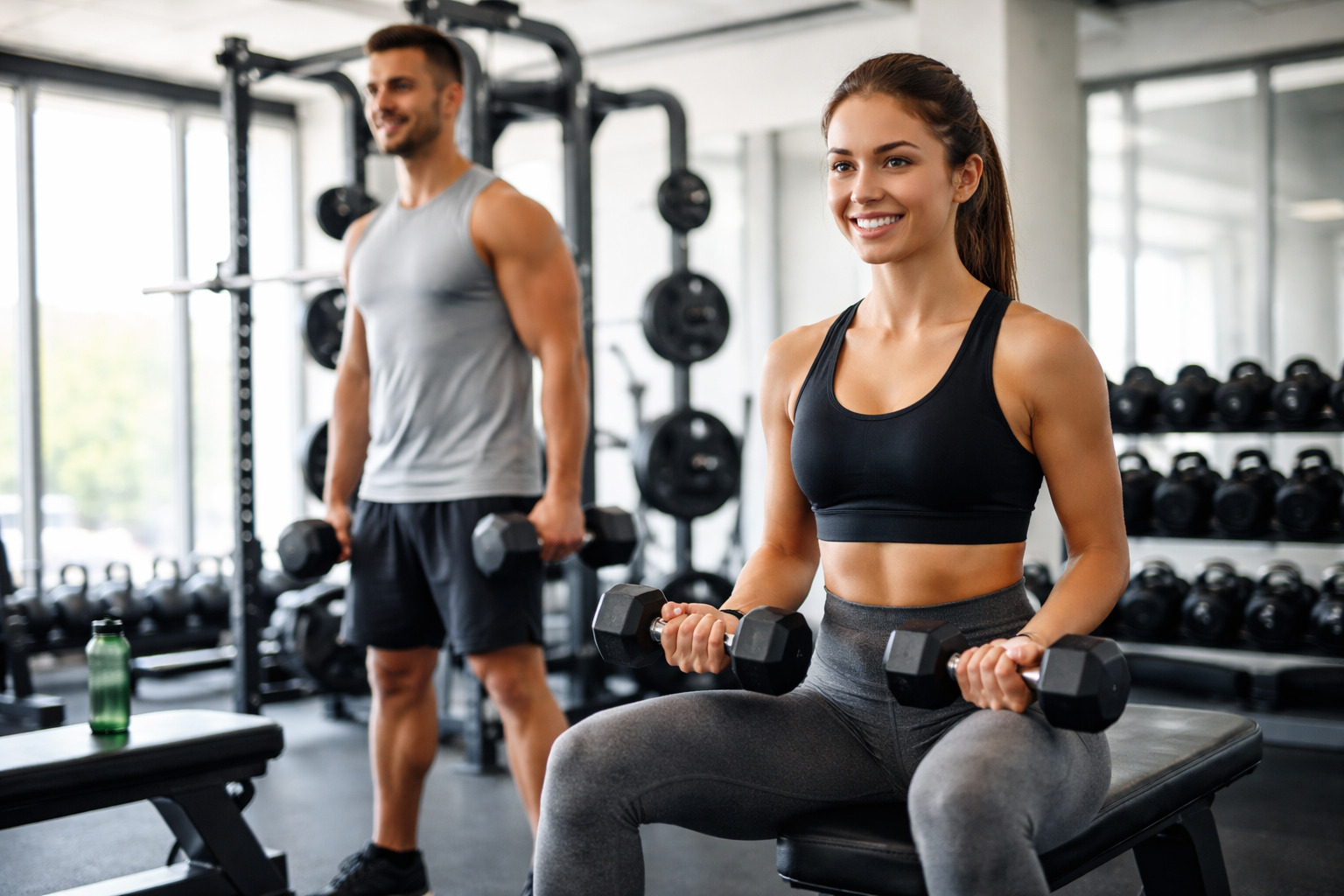
    Leather Powerlifting Belts

    These are thick, sturdy and built for serious strength training.

    They usually come in:

    • Single prong buckle
    • Double prong buckle

    They provide excellent support for heavy squats and deadlifts.

    Check price on Amazon

    Lever Lifting Belts

    These are very popular with powerlifters.

    They use a lever mechanism instead of a buckle which makes them super quick to tighten and release.

    Once you set the size it stays consistent every time.

    Very satisfying to use honestly.

    Check price on Amazon

    Nylon Lifting Belts

    These are lighter and more flexible.

    Many people prefer them for functional training or CrossFit style workouts.

    They are not as rigid as leather belts but still provide support.

    Check price on Amazon


    Other Equipment That Helps Prevent Injury

    This might sound slightly off topic but it’s honestly related.

    One thing years of sport and injuries has taught me is that support equipment matters. You can find out more about this on more article over here.

    Some simple things that have helped me stay in the gym longer include:

    Foam Rollers

    A good foam roller can be incredddible for loosening tight muscles.

    Especially after leg day or hockey training.

    Resistance Bands

    Great for:

    • Warm ups
    • Shoulder stability work
    • Glute activation
    • Rehab exercises

    My physio has had me using these more times than I can count.

    Lifting Straps

    If your grip gives out before your back during deadlifts, straps can help extend your working sets.

    Which can make back training much more effective.


    Final Thoughts

    So.

    Do you actually need a lifting belt?

    For most beginners the honest answer is probably not yet.

    Focus on:

    • Learning good technique
    • Building core strength
    • Progressively increasing your lifts

    But once you start pushing heavier weights, a lifting belt can absolutely be a helpful tool.

    Not a shortcut.

    Not a cheat.

    Just another piece of equipment that can support your training when used properly.

    And if you’ve ever had injuries like me you’ll know this feeling.

    Staying healthy and consistent in the gym is far more important than chasing ego lifts.

    Slow progress.

    Smart equipment choices.

    And showing up week after week.

    That’s where the real results happen.


    Fitter Daily is supported by its readers and participates in affiliate marketing programs, including Amazon Associates. We may earn commissions from qualifying purchases made through links on this site, at no additional cost to you.
    Some images featured on Fitter Daily are digitally generated concept designs created for inspirational purposes. These visuals may not represent physical products or real life spaces exactly as shown.
    All content is provided for informational and inspirational purposes only. While we strive for accuracy, we make no guarantees regarding product availability, pricing, specifications, or suitability. Please verify all product details directly with the retailer before purchasing.

  • 10 Leak Proof Protein Shakers That Won’t Ruin Your Gym Bag

    As an Amazon Associate I earn from qualifying purchases. This post may contain affiliate links. If you buy through them, we may earn a small commission at no extra cost to you.

    Okay okay okay I know this sounds dramatic but hear me out.

    A leaking protein shaker might be one of the most irritating gym problems ever.

    You finish a session feeling amazinnngg. Arms fried. Legs wobbling. You chuck your shaker in your gym bag and head home feeling productive. Then you unzip the bag later and suddenly everything smells like vanilla whey protein and regret. Been there.

    Too many times.

    I’m a pretty active guy. I lift regularly, play hockey, and I’ve spent about 12 years bouncing in and out of different sports. Dislocated both shoulders a few times which was incredddibly annoying. Had knee issues that sent me to physios more times than I can count.

    So I’ve gone through that cycle of starting again with training more than once.

    And one thing I’ve learned is the small things matter.

    Foam rollers. Resistance bands. Proper warm ups. And weirdly enough… decent gym gear that doesn’t annoy you.

    Because when the little things work properly, staying consistent becomes way easier.

    So if you’re looking for a protein shaker that actually seals properly and won’t leak inside your gym bag, here are some solid options.

    First the US Amazon picks, then the UK Amazon options.


    Quick Picks

    Best overall
    BlenderBottle Classic Loop Top Shaker Bottle

    Best electric shaker
    PROMiXX Pro Electric Shaker

    Best premium shaker
    Ice Shaker Stainless Steel Bottle

    Best budget shaker
    Bulk Iconic Shaker Bottle

    Best shaker with storage
    Smartshake Original2Go


    BlenderBottle Classic Loop Top Shaker Bottle (Best Overall)

    This is probably the most famous shaker bottle out there and honestly it just works. The wire whisk ball mixes protein smoothly and the lid seal is very reliable.

    Check price on Amazon


    Hydra Cup Dual Shaker Bottle (Best For Pre And Post Workout Drinks)

    Two separate chambers allow you to carry two drinks in one bottle which is surprisingly useful for long training sessions.

    Check price on Amazon


    PROMiXX Pro Electric Shaker Bottle (Best Electric Shaker)

    This is a battery powered vortex mixer that blends shakes automatically which feels like a small luxury after a tough workout.

    Check price on Amazon


    YETI Yonder Helimix Vortex Blender Shaker Bottle (Best Minimalist Shaker)

    The bottle shape itself creates a vortex that mixes powder without needing a whisk ball which also makes it easier to clean.

    Check price on Amazon


    Ice Shaker Stainless Steel Protein Shaker (Best Premium Shaker)

    A vacuum insulated stainless steel shaker that keeps drinks cold for hours and feels much more durable than plastic bottles.

    Check price on Amazon


    Smartshake Original2Go Protein Shaker (Best With Storage)

    This shaker includes stackable compartments underneath for protein powder or supplements which is very handy for gym bags.

    Check price on Amazon


    Bulk Iconic Shaker Bottle (Best Budget Option)

    Simple, reliable and affordable. It does the job without trying to be fancy and the seal is surprisingly solid.

    Check price on Amazon


    Myprotein Shaker Bottle (Best Simple Gym Shaker)

    A lightweight shaker with a mesh mixing insert that blends protein well and is easy to rinse out after training.

    Check price on Amazon


    Applied Nutrition Shaker Cup (Best Affordable Everyday Shaker)

    A straightforward shaker with a secure flip lid and mixing ball that works well for everyday gym sessions.

    Check price on Amazon


    Grenade Shaker Bottle (Best Rugged Style Shaker)

    A tougher looking shaker that includes a screw storage compartment which is useful for protein powder or supplements.

    Check price on Amazon


    And my favourite… FORME Shaker 500ml

    This trusty shakers been by my side for the last year. It’s just abolsutely solid. If you intend on sticking out for the long run and you’re good at not losing your protein shakers, then this is the one for you. Also it doubles as a fantastic flask!

    Check price on Amazon


    If you’re short on time, here’s the quick breakdown.

    Product NameRegionBest ForMaterialextra compartment for protein?Key FeatureStyle/AestheticPrice Tier
    BlenderBottle Classic Loop Top Shaker BottleUSBest OverallBPA free plasticNoWire whisk blender ball mixing systemClassic gym styleBudget
    Hydra Cup Dual Shaker BottleUSPre and post workout drinksBPA free plasticDependsDual chamber designBold sporty lookMid range
    PROMiXX Pro Electric Shaker BottleUSElectric mixing conveniencePlastic with motor baseNoBattery powered vortex mixerSleek tech aestheticPremium
    Helimix Vortex Blender Shaker BottleUSMinimalist shaker designBPA free plasticNoVortex bottle mixing systemClean modern designMid range
    Ice Shaker Stainless Steel BottleUSInsulated premium shakerStainless steelNoVacuum insulated shakerPremium metallic lookPremium
    Smartshake Original2GoUKStorage compartmentsBPA free plasticYesStackable storage containersFunctional gym designMid range
    Bulk Iconic Shaker BottleUKBudget optionBPA free plasticNoSimple mixing ball designMinimal gym aestheticBudget
    Myprotein Shaker BottleUKSimple everyday shakerBPA free plasticNoMesh filter mixing systemClean minimal designBudget
    Applied Nutrition Shaker CupUKAffordable shakerBPA free plasticNoSecure flip lid and whisk ballBold supplement brandingBudget
    Grenade Shaker BottleUKRugged gym styleBPA free plasticYesScrew storage compartmentTactical gym lookMid range

    Fitter Daily is supported by its readers and participates in affiliate marketing programs, including Amazon Associates. We may earn commissions from qualifying purchases made through links on this site, at no additional cost to you.
    Some images featured on Fitter Daily are digitally generated concept designs created for inspirational purposes. These visuals may not represent physical products or real life spaces exactly as shown.
    All content is provided for informational and inspirational purposes only. While we strive for accuracy, we make no guarantees regarding product availability, pricing, specifications, or suitability. Please verify all product details directly with the retailer before purchasing.

  • 10 Essential Steps to Bulk Up Successfully

    As an Amazon Associate I earn from qualifying purchases. This post may contain affiliate links. If you buy through them, we may earn a small commission at no extra cost to you.

    Alright. Let me be honest for a second.

    If you’re a skinny guy trying to bulk up, the hardest part isn’t the exercises.

    It’s sticking with it long enough for it to actually work.

    I’ve been in and out of the gym for over 12 years. I’m an avid gym goer and hockey player. I’ve dislocated both shoulders multiple times, dealt with stubborn knee injuries, and I’ve spent more hours in the physio’s office than I care to admit.

    Weight has gone up, weight has gone down. I’ve quit. Restarted. Quit again.

    But recently something finally clicked.

    For the first time in my life I’ve completed a full year of consistent training. Gym 3 to 4 times a week, running twice a week, hockey training twice a week.

    It’s a lot.

    And through all the failed attempts before that, I’ve learned a few things that honestly changed everything.

    This guide is basically what I wish someone had told me when I first started.


    Step 1: Start With A Simple Weekly Training Schedule

    Okay okay okay I know what you’re thinking.

    “I’m gonna go 6 days a week and completely transform my life.”

    Wait wait wait just bare with me on this.

    Start smaller than you think.

    A simple bulking schedule might look like this:

    Monday: Upper body push
    Chest, shoulders, triceps

    Wednesday: Upper body pull
    Back and biceps

    Friday: Legs and core

    Optional Saturday: Light cardio or sport

    That’s it.

    Three strength sessions per week is amazinnngg for building muscle if you actually stick with it.

    Consistency beats intensity every single time.


    Step 2: Focus On Compound Exercises

    When you’re trying to bulk, the magic comes from compound movements.

    These hit multiple muscle groups and allow you to lift heavier over time.

    Great beginner exercises include:

    Squats
    Deadlifts
    Bench press
    Overhead press
    Pull ups
    Rows

    👏GAME👏CHAN👏GER

    You don’t need fancy exercises.

    You need progressive overload. Slowly increasing weight over time.


    Step 3: Learn Proper Form Early

    This one took me years to learn.

    Bad form is the fastest route to injury.

    Ask me how I know.

    Between my shoulder dislocations and knee injuries, I’ve learned the hard way that proper warm up and technique are non negotiable.

    If you’re new, seriously consider:

    Watching form tutorials
    Starting light
    Even hiring a personal trainer for a few sessions

    Just learning correct squat and deadlift form early can save you months of setbacks.


    Step 4: Warm Up Properly (Trust Me On This)

    This used to be the thing I skipped.

    Huge mistake.

    Proper warm ups reduce injury risk massively and help you lift better.

    Simple warm up routine:

    5 minutes light cardio
    Dynamic stretches
    Resistance band activation
    Light warm up sets

    I’ve got a list of some great injury prevention equipment here!

    It sounds boring but honestly it keeps you training longer.

    Which means more gains.


    Step 5: Tools That Help Prevent Injury

    After years of injuries and physio visits, these tools have become part of my routine.

    Foam Roller

    Foam rolling helps release tight muscles and improve recovery between workouts. It can reduce soreness and improve mobility. Especially useful for legs, back, and hips after heavy training sessions.

    Resistance Bands

    Resistance bands are incredibbble for warming up shoulders, activating glutes, and improving mobility. I use them before almost every workout now. They help prevent injuries and prepare muscles for heavier lifts.

    Lifting Straps

    If your grip strength limits your back training, lifting straps help you hold heavier weights during rows and deadlifts. That means your back muscles get fully worked instead of your hands giving up first.


    Step 6: Eat For Muscle Growth

    This is the part most skinny guys get wrong.

    You cannot build muscle without enough calories.

    A good starting point:

    Eat 300 to 500 calories above maintenance.

    Focus on:

    Protein rich foods
    Complex carbohydrates
    Healthy fats

    Simple muscle building staples include:

    Chicken
    Eggs
    Rice
    Potatoes
    Oats
    Greek yogurt
    Olive oil
    Peanut butter

    Nothing fancy.

    Just consistent.


    Step 7: Supplements That Actually Help

    Supplements won’t replace good training and nutrition.

    I have another article where I break it down in detail here.

    But a few can genuinely help.

    Creatine Monohydrate

    Creatine is one of the most researched supplements in sports science. It improves strength, power output, and muscle hydration. Five grams per day is the typical dose and many athletes use it year round.

    Whey Protein Powder

    Protein powder makes it easier to reach your daily protein target. It’s not magic. Just convenient. A shake after training can help recovery and muscle growth if you’re struggling to hit protein goals through food alone.

    Electrolyte Hydration Mix

    Proper hydration improves performance, recovery, and endurance. Electrolyte mixes can help replace sodium and minerals lost through sweat, especially during long workouts or sports training sessions.


    Step 8: Use Apps Or Programs For Structure

    One of the easiest ways to stay consistent is following a plan.

    I have some great app suggestions on my other article here!

    Some great tools include:

    Strong App
    Fitbod
    Nike Training Club
    Boostcamp

    These track your workouts, show exercises, and help you gradually increase weights.

    Having a plan removes decision fatigue.

    You just show up and train.


    Step 9: Consider Team Sports

    This one is underrated.

    Joining a sport can massively improve gym consistency.

    For me it’s hockey.

    Training twice a week and playing matches gives me a reason to stay fit outside the gym.

    Other great options:

    Tennis doubles
    Padel
    Football
    Basketball
    Rugby

    When fitness becomes part of a team environment, motivation becomes a lot easier.

    You don’t want to let your teammates down.


    Step 10: The Real Secret To Bulking

    Honestly?

    There isn’t one.

    It’s showing up repeatedly for months. Here’s some more information on how to stay consistent.

    Then years.

    The guys you see who look strong didn’t discover a secret program.

    They just didn’t stop.

    And trust me, if someone like me can stay consistent after years of injuries, failed routines, and restarting over and over again…

    So can you.

    Just start small.

    Stick with it.

    And slowly build from there.


    Fitter Daily is supported by its readers and participates in affiliate marketing programs, including Amazon Associates. We may earn commissions from qualifying purchases made through links on this site, at no additional cost to you.
    Some images featured on Fitter Daily are digitally generated concept designs created for inspirational purposes. These visuals may not represent physical products or real life spaces exactly as shown.
    All content is provided for informational and inspirational purposes only. While we strive for accuracy, we make no guarantees regarding product availability, pricing, specifications, or suitability. Please verify all product details directly with the retailer before purchasing.