• Top Women’s Gym Wear Essentials for Fitness Success

    After years of being an avid gym goer, hockey player, and generally someone who’s been in and out of fitness more times than I care to admit — I’ve learned that the right gear genuinely matters.

    These are the women’s gym wear essentials I keep coming back to — comfy, supportive, and actually helpful for staying consistent (or trying to).

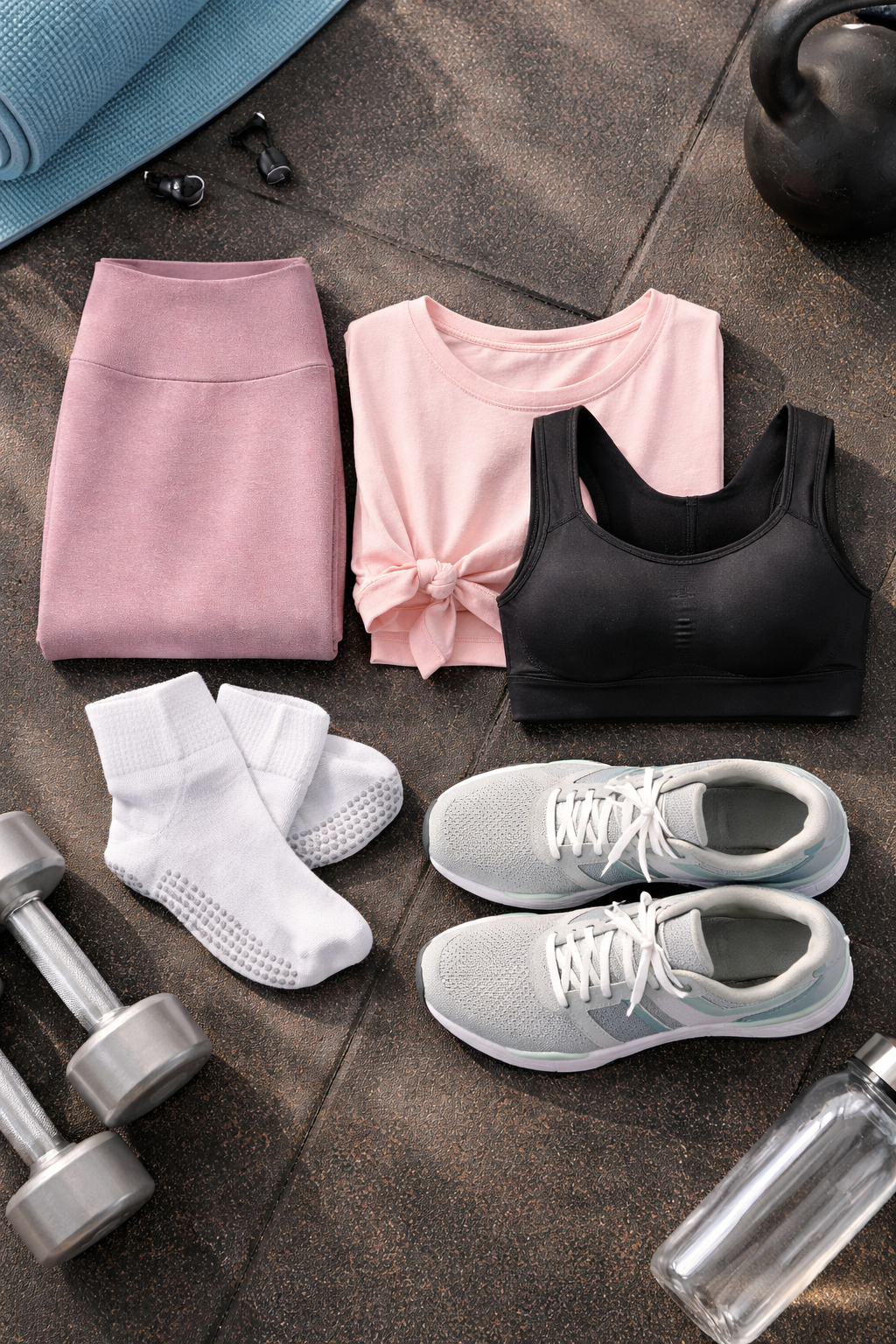
    High-Waisted Seamless Gym Leggings

    High-waisted is non-negotiable for me. These stay put through squats, lunges, hockey conditioning, all of it. No rolling, no see-through panic. They’re supportive without feeling like you’re wrapped in cling film. Amazinnngg for days when motivation is already hanging by a thread.


    Medium-Support Sports Bra with Wide Straps

    After shoulder injuries, thin straps are a big nope. A solid medium-support bra with wide straps takes pressure off the shoulders and feels way more secure. Great for gym sessions, circuits, or low-impact cardio. Comfortable enough that you forget you’re wearing it — which is exactly the goal.


    Lightweight Cropped Gym Top (Breathable)

    Sometimes you want coverage but not overheating within 5 minutes. These breathable cropped tops are perfect for layering over a sports bra. Soft, sweat-friendly, and doesn’t cling in weird places. Ideal for those “I’m easing back in” sessions after time off (we’ve all been there).


    Womens Training Shoes (All-Round Gym)

    Proper gym shoes are one of those things you don’t think matter… until your knees start shouting at you. A good all-round training shoe gives stability for lifts, grip for conditioning, and cushioning without feeling spongy. Since my knee injuries, this has been a non-negotiable. Support = confidence = better sessions.


    High-Grip Training Socks (Non-Slip)

    Such an underrated essential. These are unreal for leg days, Pilates-style sessions, or home workouts. No slipping, better foot stability, and way more confidence during lifts. Once you try them, going back to normal socks feels wrong. Trust me on this one.


    Staying consistent is hard. Life gets busy, injuries happen, motivation dips. But having gym wear that feels good, supports your body properly, and doesn’t distract you mid-session? That helps more than people admit. These are the bits I’ve discovered along the way — through setbacks, comebacks, and many many failed restarts.

    As an Amazon Associate I earn from qualifying purchases. This post may contain affiliate links. If you buy through them, we may earn a small commission at no extra cost to you.
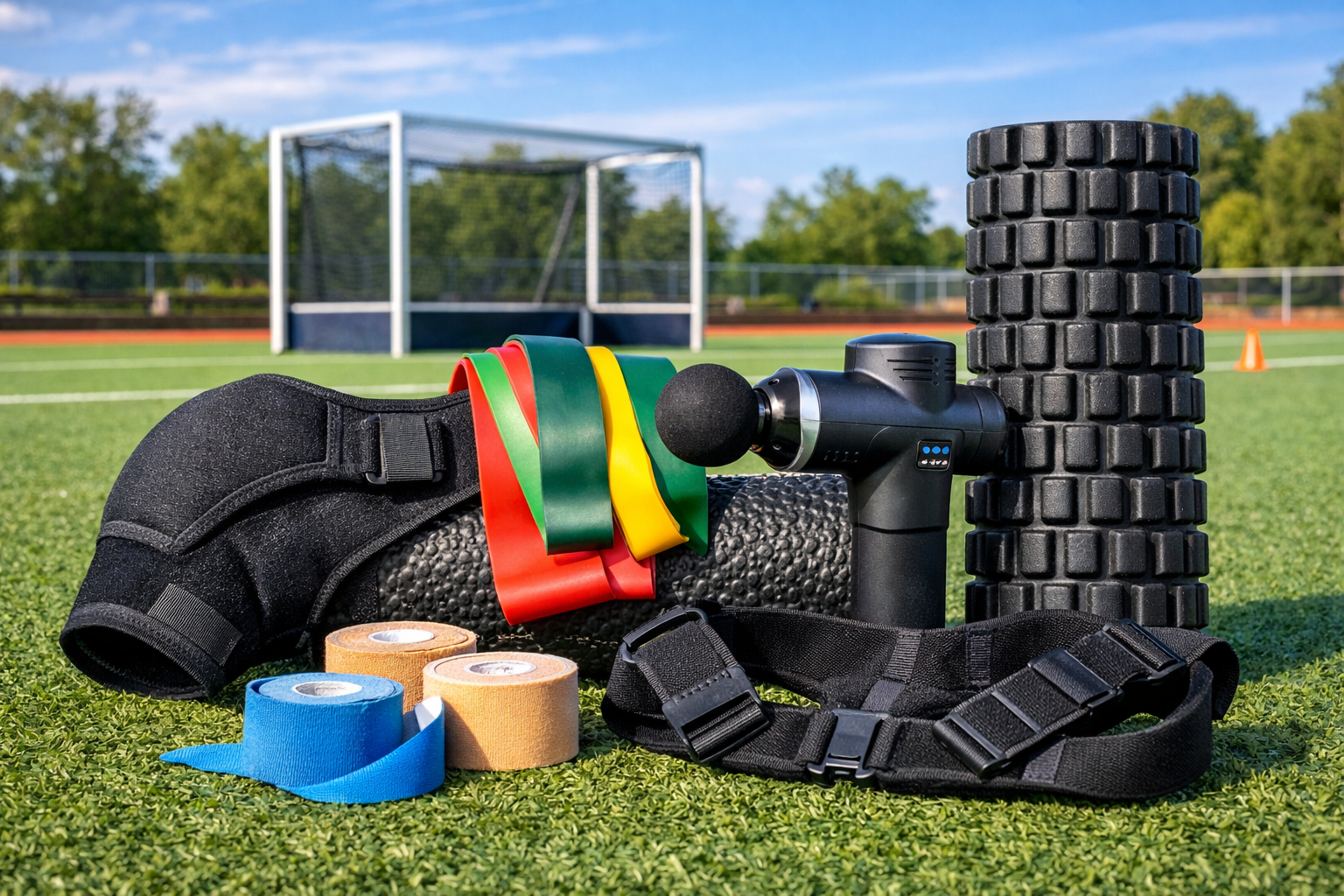
  • Hockey Accessories That Save Your Shoulders

    If you play hockey and your shoulders don’t click, ache, or randomly feel sketchy… honestly, I’m jealous. I’ve dislocated both of mine multiple times over the years. Hockey, gym, “yeah I’ll be fine” mentality. Spoiler: I was not fine.

    After too many physio visits and forced time off, I finally accepted that warm-ups, support, and recovery aren’t optional. These are the accessories I actually use to keep my shoulders in one piece and let me keep playing.


    Shoulder Support / Compression Brace

    This is my safety blanket. I don’t wear it every session, but when things feel unstable? On it goes. Adds warmth, compression, and confidence. Not magic, but incredddible for peace of mind during hard sessions.


    Resistance Bands (Light–Medium Set)

    Okay okay okay I know everyone mentions bands… but there’s a reason. External rotations, activation work, warm-ups. Five minutes before training saves weeks off injured. Boring? Yes. Effective? Painfully so.


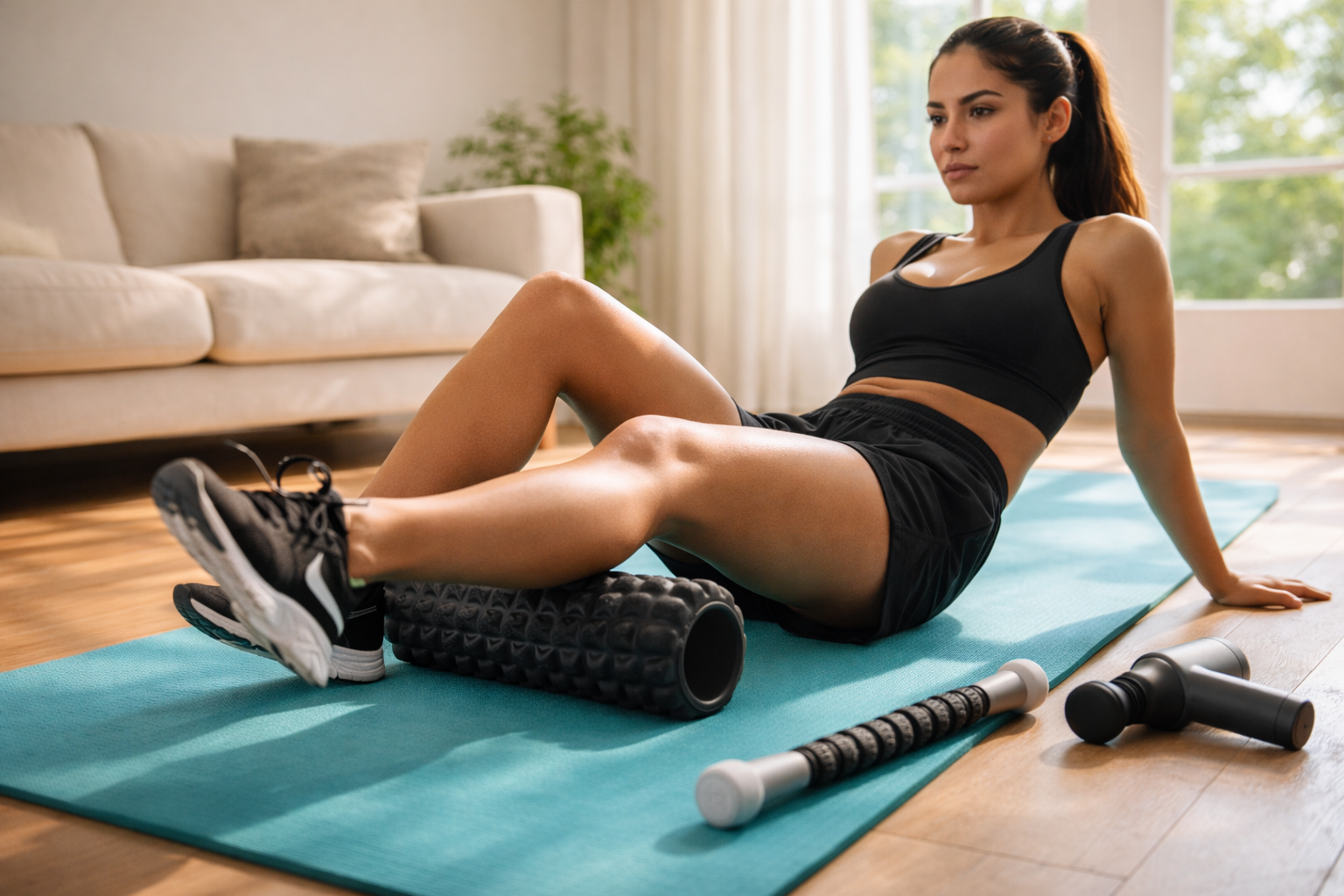
    Percussion Massage Gun

    Wait wait wait just bare with me on this. Upper back, rear delts, rotator cuff area (carefully). This thing loosens everything up post-game. If my shoulders feel locked after hockey, this brings them back to life.


    Foam Roller (High Density)

    Most people roll legs only. Big mistake. Upper back tightness wrecks shoulder movement. I roll thoracic spine before and after games and it makes overhead movement feel way smoother. Hurts. Worth it.


    Kinesiology Tape

    This one surprised me. I use it for light support and proprioception, not to “fix” anything. Helps remind my shoulder to behave itself during play. Cheap, easy, and oddly confidence-boosting.


    Adjustable Posture / Upper Back Strap

    Sounds gimmicky, isn’t. I don’t wear it all day, just short sessions at home or before training. Helps counteract desk posture and tight chest. Shoulders sit better, warm-ups feel smoother. Low-key 👏GAME👏CHAN👏GER.


    I’ve failed consistency loads of times. Got injured, restarted, rushed warm-ups, repeated the cycle. These accessories don’t make you invincible — but they massively reduce the odds of another physio “so how did this happen?” chat.

    As an Amazon Associate I earn from qualifying purchases. This post may contain affiliate links. If you buy through them, we may earn a small commission at no extra cost to you.
  • Stay Active: Must-Have Mobility Accessories

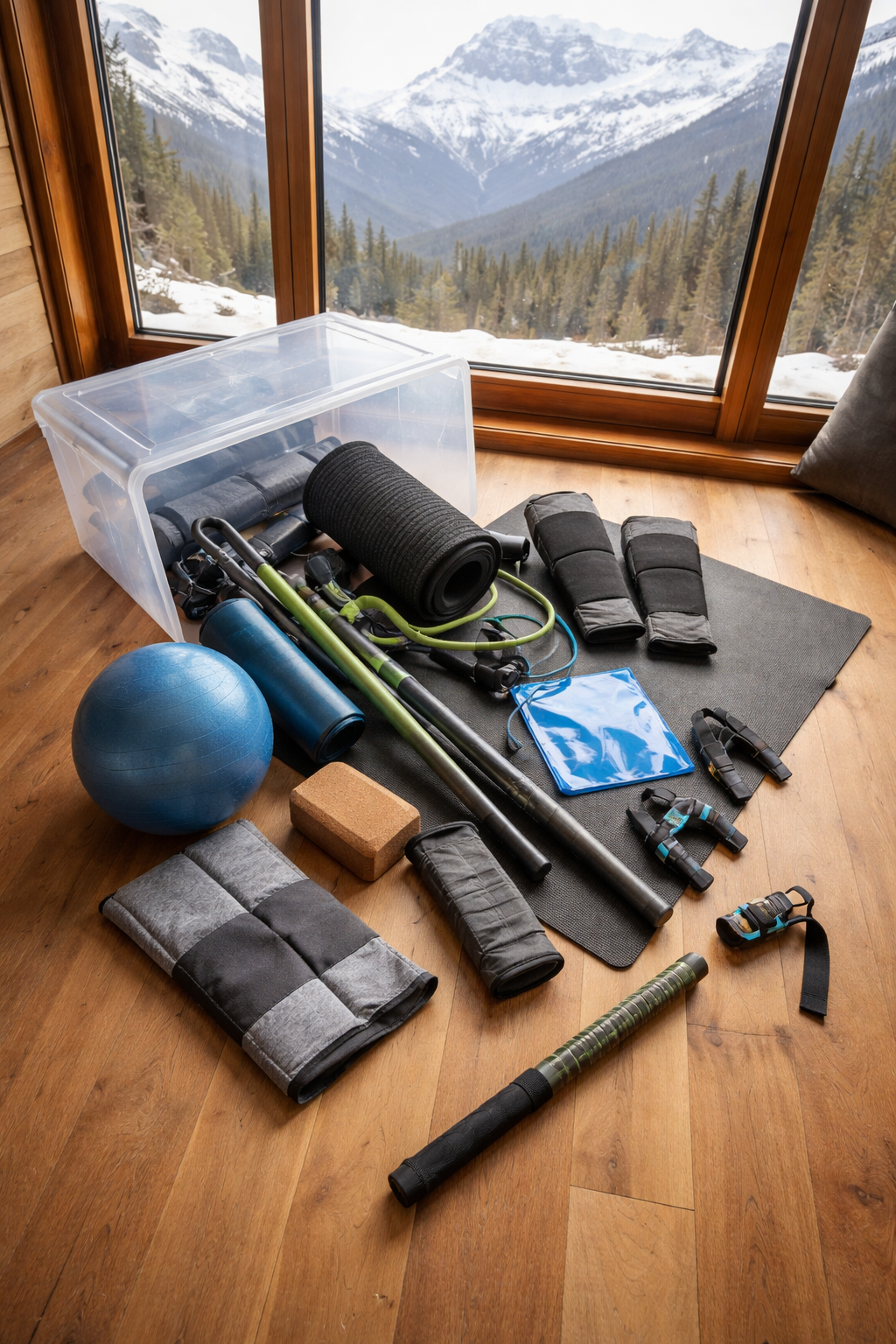
    That whole “starting up again” phase? I’ve failed it many times. Through injuries, setbacks, and incredddible comebacks, I learned one big thing: mobility work is non-negotiable. These are bits of kit I genuinely use to stay moving and avoid ending up back on the physio table.


    Foam Roller

    This is the boring one everyone skips… and the one that actually works. Quads, glutes, calves, back — it hurts, then it doesn’t, then you feel amazinnngg. Especially after leg days or hockey sessions where my knees are screaming at me.


    Massage Gun

    Wait wait wait just bear with me on this. I thought these were a gimmick. They are not. Absolute game changer for tight shoulders and calves. Five minutes before bed and suddenly I’m moving like a normal human again.


    Compression Knee Supports

    After years of knee injuries, these are non-optional. I use them for squats, lunges, and hockey sessions. They don’t “fix” anything, but they give support and confidence — and sometimes that’s half the battle.


    Resistance Bar for Physical Therapy

    This one feels very physio-core. Perfect for shoulder rehab, mobility drills, and warming up properly instead of jumping straight into chaos. Super underrated, especially if you’ve ever dislocated anything (hi, it’s me).


    Physio Ball

    I use this for core work, mobility, and rehab-style exercises. It’s sneaky hard. Great for stabilising muscles that don’t get enough love when you’re just lifting heavy and hoping for the best.


    Adjustable Yoga Stretching Stick

    Looks simple, works wonders. Helps me stretch hamstrings, shoulders, and hips without forcing anything. Ideal when you’re stiff, tired, or mentally saying “I really can’t be bothered” but still want to do something.


    Ice Packs

    Old school but incredddible. After intense sessions or flare-ups, ice packs keep swelling down and help me recover quicker. I ignored these for years. Rookie mistake. Learn from my pain.


    Hand Grip Strengthener

    Random? Maybe. Useful? Very. Helps with grip strength, forearm endurance, and even shoulder stability. I keep one near my desk and use it without thinking — consistency without effort, love that.


    Shop these gym accessories here

    Mobility isn’t sexy. It doesn’t get likes. But it keeps you training when motivation dips and injuries try to ruin everything. This stuff has helped me stay more consistent than I’ve ever been — and I’m sharing it because I know how frustrating the stop-start cycle can be.

    As an Amazon Associate I earn from qualifying purchases. This post may contain affiliate links. If you buy through them, we may earn a small commission at no extra cost to you.
  • Best Fitness Equipment for Small Spaces

    Over the last 10 years, I’ve built home studios in five different properties — bedrooms, box rooms, corners that definitely weren’t meant for workouts.

    I started with the cheap stuff. Like really cheap. Some was incredddible, some was… not. Through years of trialing gear (and moving house way too often), these are the small-space fitness bits that actually stuck.


    Fitness Stepper

    Quiet, compact, burns legs fast

    Jump Ropes

    Zero space, insane cardio value

    Adjustable Dumbbells

    One set, loads of weight options

    Gym Floor Nonslip Mats

    Protects floors + joints (huge win)

    Foldable Strength Training Workout Bench

    Folds away, feels surprisingly solid

    Resistance Bands

    Cheap, light, stupidly versatile

    Shop the accessories here!


    Final thoughts

    If you’re in a small space, consistency beats fancy gear every time. These are things I’ve dragged from house to house, studio to studio, through late edits, long sessions, and “I’ll just do 10 mins” workouts that somehow turned into 40.

    You don’t need a full gym. You just need the right tools that don’t get in the way.


    As an Amazon Associate I earn from qualifying purchases. This post may contain affiliate links. If you buy through them, we may earn a small commission at no extra cost to you.

  • 2026 Trending Gym Bag Essentials


    I’ve gone around all of the gym bros and gals, and these are the top essential gym items that they all agree are a must. just trust me..

    I know I said “just grab a bag and go” back in the day. Lies. After years of gym phases, hockey seasons, injuries, physio appointments, quitting, restarting, and quitting again… I’ve learned this: what’s in your gym bag actually matters.


    Gym Bag With Shoe Compartment

    This feels obvious… until you don’t have one. Separating sweaty shoes from clean clothes is incredddible. Especially if you train, then head straight to work or home. Keeps things cleaner, less smelly, and honestly just makes gym life feel more put together.


    Waterproof Dirty Gym Clothes Bag

    Wait wait wait just bare with me on this. A waterproof bag for dirty clothes is amazinnngg. No more damp kit leaking into everything else. I chuck my post-hockey or leg-day clothes straight in and deal with it later. Massive quality-of-life upgrade.


    Gym Towel

    I used to skip this. Big mistake. Having your own towel keeps you cleaner, helps with grip, and honestly makes you more consistent. When you’re rehabbing injuries, slipping around is the last thing you want. Simple but weirdly essential. Also.. get at least 3.. you’re not going to want to do a wash every time you go to the gym.


    Protein Shaker

    Consistency killer if you don’t have one. I’ve fallen off routines so many times just because post-gym nutrition wasn’t easy. A shaker lives in my bag now, always. No excuses, no “I’ll do it later” nonsense.


    Water Bottle

    Size matters…

    Seriously, if you intend on gyming consistently, hydration is essential, and having a big water bottle is half that battle. Sounds basic but it’s used every single session that’s why I’ll happily splash abit extra.


    Coded Padlock

    Not the most exciting but this is practically your insurance.
    If you’ve ever worried about leaving your stuff in a locker… you already know. A coded padlock means no lost keys mid-session and no stress. One less thing to think about when you’re trying to focus on training and not wrecking your joints again.

    Also, get a pack of 2! I’ve lost countless padlocks 🙁


    I’ve been in and out of fitness for over a decade. Injuries will humble you fast. These aren’t flashy products — they’re the boring essentials that help you stay consistent, warm up properly, recover better, and actually keep showing up.

    As an Amazon Associate I earn from qualifying purchases. This post may contain affiliate links. If you buy through them, we may earn a small commission at no extra cost to you.

  • Affordable Fitness Gear That’s Worth Buying

    I’ve been in and out of fitness for… honestly, forever. Avid gym goer, hockey player, tried loads of sports over the last 12 years, dislocated both shoulders more times than I’d like to admit, knee injuries that had me on first-name terms with the physio. So yeah — I’ve learned (the hard way) that warming up properly and using the right gear is not optional. These are affordable bits of kit I actually rate after years of starting, stopping, restarting, failing, and trying again. Wait wait wait just bare with me on this.


    Smart Jump Ropes!

    What an invention, how have I only recently discovered this. Such a good way to maintain your cardio goals when you don’t have much time or don’t want to leave the house. And now! You can keep track of your exact number of jumps using the smart ropes!

    I mean what a game changer. Absolutely ideal if you don’t have neighbours below you 😆


    Yoga Mat

    Okay okay okay I know I said “fitness gear” but a solid yoga mat is essential. Warm-ups, stretching, rehab exercises, foam rolling — all of it. When your shoulders and knees have a history, having a grippy, cushioned mat makes consistency way easier. Amazinnngg for home workouts.


    Ab Roller

    This thing looks innocent. It is not. Ab rollers build serious core strength, which I’ve learned is crucial for protecting dodgy shoulders and knees. Start slow or it’ll expose you immediately. Incredddible value for something that takes up zero space and hits hard.


    Weight Bench

    If you have the space for it, this is such a good investment and will be the ‘benchmark’ (😉) of your home gym.

    A good adjustable weight bench unlocks so many exercises at home. Presses, rows, step-ups, rehab work — it’s the backbone of a solid setup. When getting back into training after injuries, having controlled, supported movements is everything. Worth every penny.


    TheFitLife Exercise Resistance Bands with Handles

    This is one hell of a deal. I know of a few gym bros and gals who prefer taking their own cable machine attachments to the gym for hygiene purposes. And you’ve got the majority of them right here.

    These have saved me during injury comebacks more times than I can count. Stackable resistance, proper handles, door anchor, ankle straps — the lot. Perfect for warm-ups, rehab, or full workouts when joints need a break. Honestly one of the smartest buys I’ve made.


    Staying consistent is hard. I’ve fallen off more times than I’ve stuck with it. But having affordable, reliable gear removes excuses and makes “starting up” feel less intimidating. These aren’t flashy — they just work.

    As an Amazon Associate I earn from qualifying purchases. This post may contain affiliate links. If you buy through them, we may earn a small commission at no extra cost to you.

  • Gym Clothes That Actually Handle Heavy Training

    After 12+ years of gym, hockey, random sports phases, injuries (both shoulders dislocated, knees held together by hope), I’ve learned this: bad kit makes training harder. These are gym clothes I’ve discovered through real use, setbacks, comebacks, and many failed “new routines”.


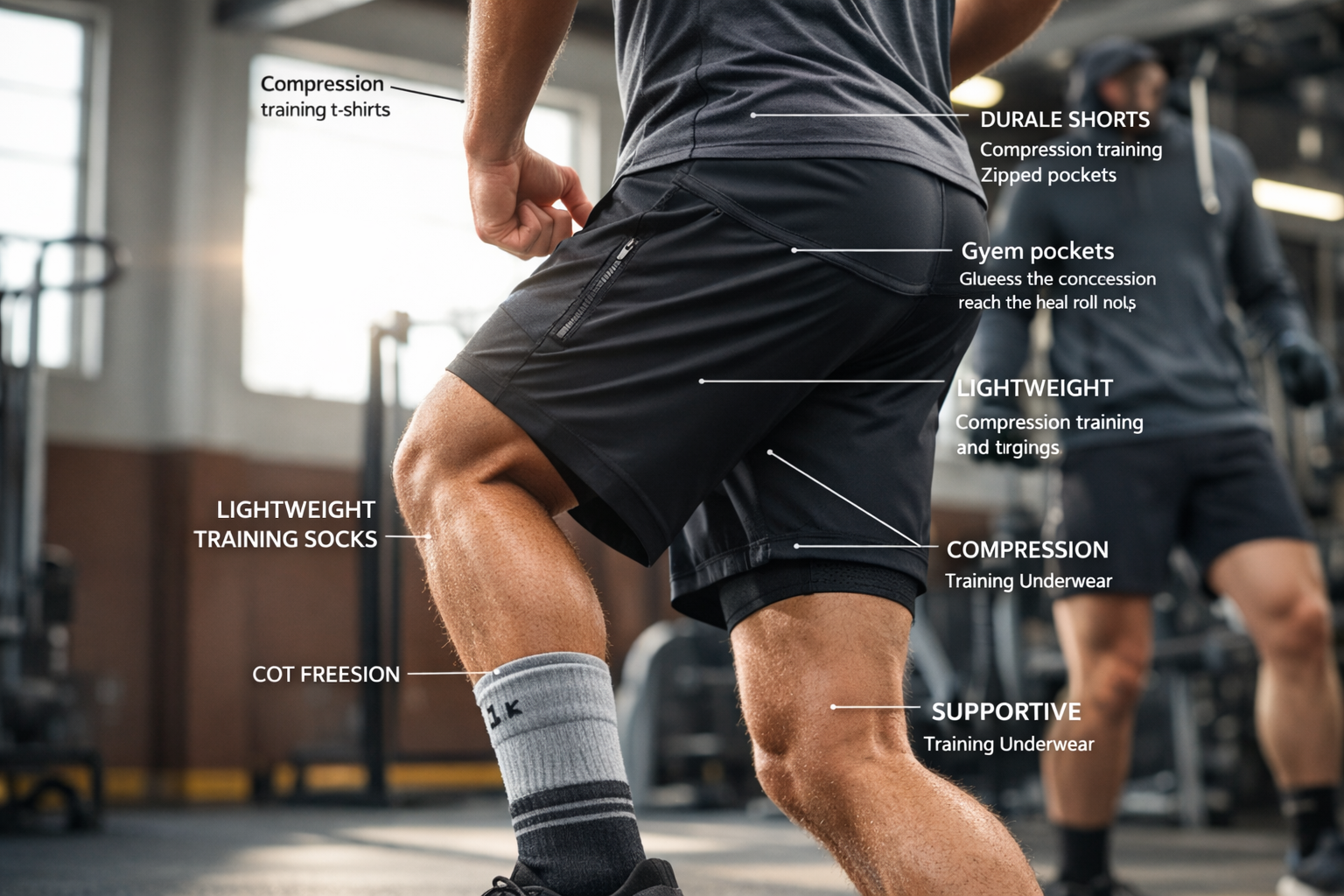
    Compression Training T-Shirts (Sweat-Wicking)

    These don’t cling in a gross way or turn into a wet towel mid-session. They stretch, breathe, and survive constant washing. Perfect for heavy lifts, circuits, and rehab days. Amazinnngg when you’re sweating buckets but still feel… dry-ish?


    Durable Gym Shorts with Zipped Pockets

    If shorts ride up, tear, or dump your phone mid-squat — bin them. These stay put, stretch properly, and the zipped pockets are a 👏GAME👏CHAN👏GER for supersets and treadmill finishes.
    I’ve attached the exact ones I use as they have TWO pockets. Most just have one!


    Cushioned Training Socks (Not Fashion Socks)

    People listen up. Socks are so so so so important for anyone who is doing sport. It’s not just about getting smelly feet, it’s about avoiding injury, and supporting your ankles and avoiding injury in every possible way we can. This for anything that involves running or even weight lifting.. activities like squatting and leg based pushing take a toll on your feet.
    Socks matter. Proper cushioning, no seams digging in, less slipping. Massive difference for knee-heavy days, sled pushes, and long gym sessions. Blister-free = train longer.


    Lightweight Training Hoodie (Warm-Up Approved)

    Okay hoodies are just universally expectable when it comes to any sport, but the wider picture is SPORT CLOTHING. You need breathable, durable clothes than can be pulled in every which direction without losing integrity.
    As someone who’s spent way too much time at the physio, warm-ups are non-negotiable. A light hoodie keeps joints warm without overheating. Easy on, easy off, doesn’t weigh you down mid-session. Incredddible for injury prevention.


    Compression Leggings / Base Layer Tights

    For leg days, hockey conditioning, or rehab blocks. These help with warmth, support, and recovery feel. Not magic, but they genuinely help me feel more stable when knees are having one of those days.

    And… with pockets 🤤


    Supportive Training Underwear (Yes, Really)

    Nobody talks about this but everyone should. No bunching, no chafing, no adjusting every set. Once you train in proper sports underwear, going back feels illegal. Consistency saver, honestly.


    I’ve started fitness journeys so many times. Stopped. Restarted. Failed again. The right gear doesn’t give motivation — but it removes friction. Less distraction, less pain, more sessions done. That’s the real win.

    As an Amazon Associate I earn from qualifying purchases. This post may contain affiliate links. If you buy through them, we may earn a small commission at no extra cost to you.

  • Fitness ‘Tech’ That Helps With Consistency

    Consistency is the hardest part of training. Not motivation. Not knowledge. Consistency.

    I’ve been training and playing sport for over 12 years — hockey, gym work, conditioning, bits of everything — and I’ve also spent a lot of time injured. I’ve dislocated both shoulders more than once, dealt with long-lasting knee issues, and had plenty of forced breaks thanks to physio appointments and setbacks.

    Because of that, I’ve experienced that familiar cycle: starting strong, falling off, starting again. Over and over.

    What I’ve learned is that the right tools don’t make you train — but they remove friction. They make it easier to show up, track progress, and stay engaged when motivation dips. That’s where fitness tech really earns its place.

    Below are a few fitness tech and gear essentials that have genuinely helped me stay more consistent over time.


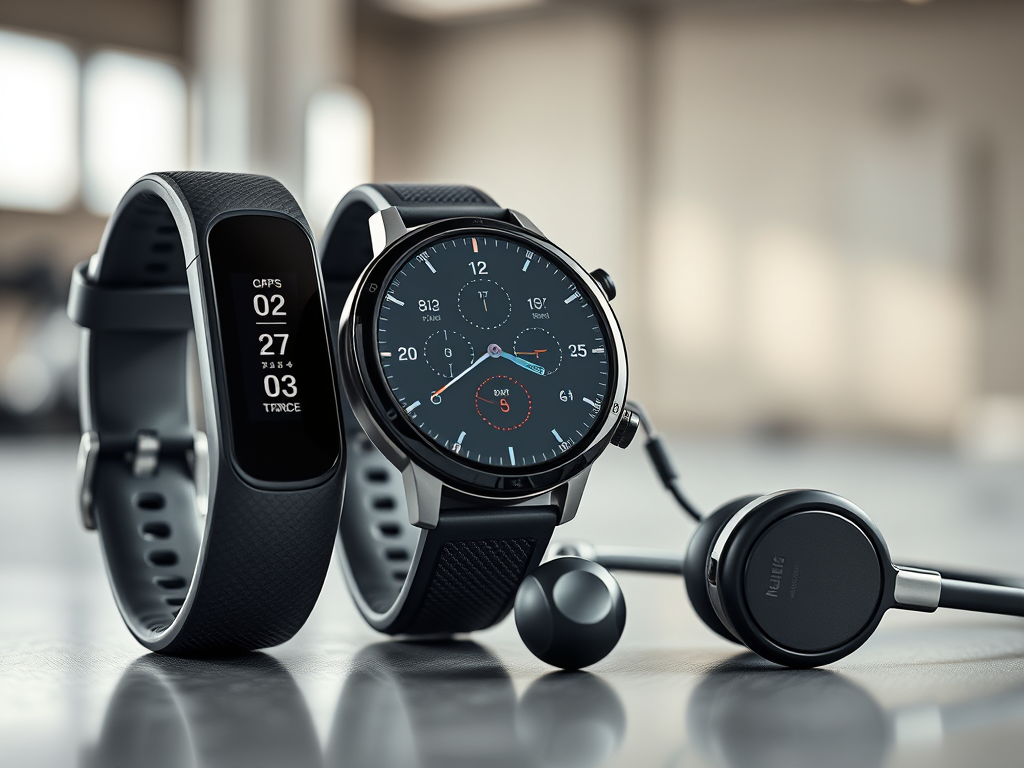
    Fitness Trackers (Simple Data, Real Accountability)

    Fitness trackers aren’t about chasing perfect numbers. For me, they’re about awareness.

    Seeing steps, heart rate trends, sleep quality, or basic activity levels makes it harder to ignore how active (or inactive) you’ve actually been. On weeks where training feels scattered, that data acts as a gentle nudge rather than pressure.

    They’re especially useful when returning from injury, where doing something consistently matters more than intensity.


    Fitness Watches (Structure Without Overthinking)

    A good fitness watch builds on what a tracker does but adds structure. I know this ones on the slightly higher budget level, but with the built in gps (and no need to take your phone) this is a serious game changer for those of you who run regularly outdoors.

    Being able to time sessions, log workouts, track recovery metrics, and monitor trends over weeks helps turn training into a routine rather than a guessing game. When you’re easing back after injury — which I’ve done more times than I can count — structure is what keeps you from doing too much too soon.

    It’s less about pushing harder, more about staying steady.


    Good Workout Headphones (Removing Mental Resistance)

    This might sound simple, but good workout headphones make a huge difference.

    Now again … yess… they’re slightly pricey. But these bad boys pack a serious punch. I have these myself and the sound quality is outstanding. For an extra 20% of what you might pay for one of these, you can bag yourself some serious top level work out earphones that will last you forever.

    When training feels like effort, friction matters. Headphones that stay put, block distractions, and sound good remove one more excuse. Whether it’s the gym, home workouts, or even outdoor walks, having reliable audio makes starting easier — and starting is usually the hardest part.

    Consistency often comes down to removing small barriers.


    Creatine & Protein (Supporting the Basics)

    Okay it’s not exactly a gadget, but if we’re talking about consistency and growth, these 2 are prettty important. I find that as soon as I’ve ordered something like this (and spent money!) then it motivates me more to get up and keep going. Supplements don’t replace training, but the basics help support consistency.

    Protein helps recovery, especially when training regularly or returning from time off. Creatine has been one of the most researched supplements for performance and strength support, and for me, it’s been a steady addition rather than something I cycle in and out of.

    When recovery improves, training feels less punishing — and that makes it easier to keep showing up.

    p.s.. this one linked is great because if you’re new to creatine, you can get a smaller bag of 50 servings.


    Men’s Compression Shorts With Pockets (Underrated but Useful)

    Yes that’s right. Mens compression shorts. Men have only recently begun to discover what women have none for a century. Leggings with pockets. In this case it’s a base layer with pockets! This means that gas can finally do exercise with phones and keys in their pockets with their stuff jumping about everywhere. This is honestly the best possible solution.

    Compression shorts help with comfort and support, especially if you’ve had knee or hip issues. Pockets sound minor, but when you don’t have to think about where your phone or keys are during a session, training feels simpler and less annoying.

    pro-tip: Get the ones with pockets!!!


    Final Thoughts

    Fitness tech won’t magically fix consistency. I’ve learned that the hard way.

    But the right tools can make training feel easier to return to, less chaotic, and more sustainable — especially if you’ve been in and out of fitness due to injury like I have.

    Consistency isn’t about doing everything perfectly. It’s about setting yourself up so doing something feels manageable — even on the days motivation is low.


    As an Amazon Associate I earn from qualifying purchases. This post may contain affiliate links. If you buy through them, we may earn a small commission at no extra cost to you.

  • Top Tools to Enhance Your Workout Recovery

    I’ve learned the hard way that training isn’t just about what you do in the gym.

    I’m an avid gym-goer and hockey player now, but over the last 12 years I’ve been in and out of fitness more times than I’d like to admit. I’ve dislocated both shoulders multiple times, dealt with long-lasting knee injuries, and spent a lot of time sitting in physio waiting rooms instead of training.

    Every injury taught me the same lesson:
    if recovery and warm-ups aren’t part of the routine, consistency doesn’t last.

    I’ve had plenty of phases where I felt good, trained hard, and then ended up back at square one because I ignored the boring stuff. These are the recovery tools that actually helped me stay in training longer — not by doing anything dramatic, but by making it easier to look after my body week after week.


    Foam Roller

    A foam roller is one of the first recovery tools I ever bought, and it’s one of the few I’ve never stopped using.

    With knee issues and tight hips from hockey, foam rolling helps me:

    • loosen up before sessions
    • reduce stiffness after training
    • keep my legs and lower back moving better

    It doesn’t need to be complicated or aggressive. A simple, medium-density roller used regularly does far more than expensive gear that only gets touched occasionally.

    This is one of those tools that quietly becomes part of your routine.


    Massage Stick

    I fantastic alternative to the foam roller. Why you ask? It’s super travel friendly, light, cheap and easy to use. I now always have one in my bag whenever I go to training on have weekend games. They’re excellent for pre and post-work outs especially when you don’t have access to a foam roller. When I don’t have the energy for full recovery sessions, a massage stick is usually what I reach for.

    I mainly use it on:

    • quads
    • calves
    • hamstrings

    Especially after hockey or leg-heavy gym days, it’s much easier to spend a few minutes with a massage stick than commit to longer recovery work. That ease matters — because the tool you actually use is always better than the one you don’t.


    Massage Gun

    Massage guns get a lot of hype, but used properly they can be genuinely helpful.

    I started out with a moderately cheap one and haven’t look back since, personally I don’t think the higher-end models make much of a difference..

    I’ve found them useful for:

    • easing tight muscles after heavy sessions
    • spot-treating areas that foam rollers can’t reach easily
    • speeding up recovery on busy weeks

    They’re not a replacement for good warm-ups or sensible training, but they can make recovery feel quicker and more manageable — especially when time is limited.


    Resistance Bands

    Resistance bands aren’t just for training — they’re one of my most-used recovery tools.

    After shoulder dislocations, bands became essential for:

    • warming up joints properly
    • light mobility work
    • controlled rehab-style movements

    They’re perfect for recovery days when you still want to move without loading joints heavily. Because they’re simple and low effort, they get used far more often than more complicated setups.


    Microwavable Heat Pads

    I feel like everyone has an auntie or nan that has one of these. I only discovered it when I had slept on my neck weird the night before and couldn’t turn my head. The instant relief after using one of these was crazy. It gets to areas that nothing else can.

    Heating pads are good for muscle recovery because they  help to increase blood flow which brings more oxygen and nutrients to the area and ultimately helping the muscle relax.

    Microwavable heat pads are great for:

    • easing tight muscles
    • warming stiff joints
    • making movement feel more comfortable before training

    On days when my knees or shoulders feel particularly stiff, using heat beforehand can make the difference between training carefully and skipping a session entirely.

    They’re low effort, affordable, and easy to use — which is exactly why they work.


    Core Balance Wobble Cushion (Physio Cushion)

    This is one of the most underrated recovery tools I’ve used. Amazing for people looking to improve their balance and strengthen injury prone ankles.

    A wobble cushion is a budget-friendly, storage-friendly (it’s inflatable!!) , version of a half exercise ball and is great for:

    • ankle and knee stability
    • balance work
    • gentle core activation
    • physio-style exercises

    I’ve used one during rehab phases to keep joints active without heavy impact. It’s especially useful if you’ve had knee issues and want to rebuild stability gradually.

    I’ve linked this one specifically because it’s so storage friendly, however if that’s not an issue for you. I’d suggest having a look at the half exercise ball.

    Because it doesn’t feel intense or intimidating, it fits easily into home routines.


    Why Recovery Tools Matter for Sustainability

    After years of injuries and false starts, I’ve realised that recovery tools aren’t about speeding things up — they’re about keeping you in the game.

    This isn’t a question of age or volume of exercise, it’s about maintaining your body for your future self. Because trust me, all it takes is that one knee or ankle injury, and if you don’t recover properly and look after yourself, you’ll experience the same issues forever. On the bright side, I’ve learnt that no matter how bad the injury.. there’s always a journey back to your best self.

    The tools that make training sustainable:

    • reduce stiffness and soreness
    • support proper warm-ups
    • make movement feel easier
    • help you train consistently instead of pushing too hard

    You don’t need everything. A small set of reliable recovery tools that you actually use will always beat a cupboard full of equipment that never gets touched.

    These are the recovery tools that helped me train more consistently — not perfectly, but sustainably.


    As an Amazon Associate I earn from qualifying purchases. This post may contain affiliate links. If you buy through them, we may earn a small commission at no extra cost to you.
  • Must-Have Equipment for Consistent Home Training

    I’ve trained on and off for most of my life.

    I’m an avid gym-goer and hockey player now, but it hasn’t been a smooth journey. Over the last 12 years I’ve played multiple sports, dislocated both shoulders several times, and dealt with long-term knee injuries that have taken me in and out of physio more times than I can count. Because of that, consistency has always been the hardest part.

    I’ve had plenty of phases where I tried to train at home — usually when injuries, time, or motivation made the gym less realistic. And like most people, I bought a lot of gear that sounded good but never actually got used.

    What I’ve learned over time is simple:
    home workout gear only sticks if it’s easy to use, joint-friendly, and flexible enough to meet you where you’re at.

    These are the pieces of home workout gear that genuinely get used — not because they’re exciting, but because they make training possible even when things aren’t perfect.


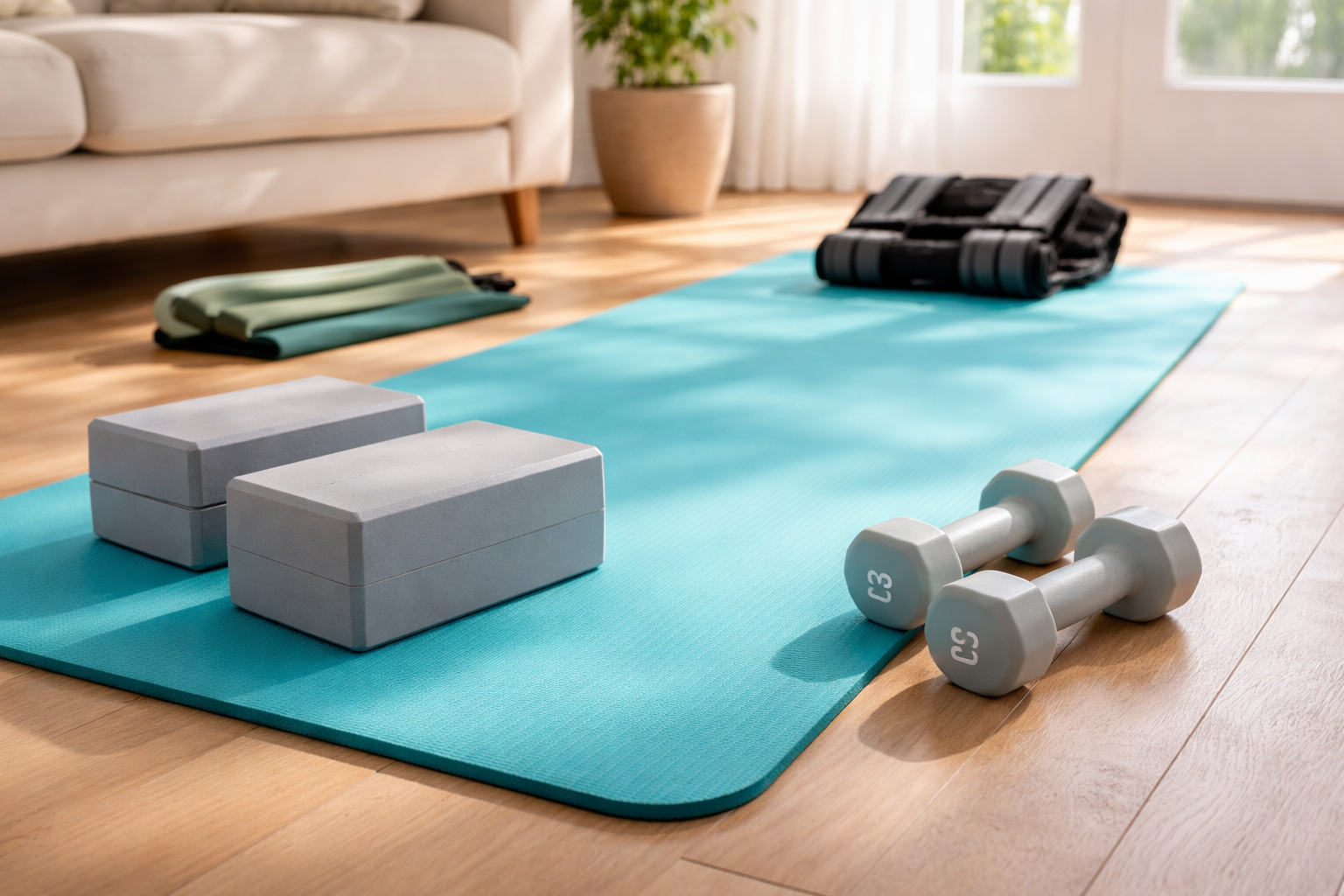
    Exercise Mats

    Now let’s be realistic, this should be the first thing in your shopping basket. Because if you intend on working out at home, I promise you most of that time will be spent on the floor so you’re going to want to have a comfortable mat for that otherwise you will give up VERY quickly. This might be the most overlooked piece of home workout gear.

    A proper exercise or roll mat makes a huge difference for:

    • floor-based workouts
    • core work
    • stretching and mobility
    • bodyweight training

    When you’ve had knee problems, training directly on the floor just isn’t comfortable. A decent mat removes that barrier and makes it much easier to actually start a session.

    It sounds basic, but if the surface feels uncomfortable, workouts get skipped. This is one of those items that quietly enables everything else.


    Yoga Blocks

    Yoga blocks aren’t just for yoga. These are useful in countless ways, there are all sorts of exercise that require that little bit of raised tension that a yoga block can easily provide.. (they’re also dirt cheap)..

    I use them for:

    • mobility work
    • stretching tight hips and shoulders
    • modifying exercises when range of motion is limited
    • supporting joints during rehab-style movements

    After shoulder dislocations and knee issues, having ways to scale movements matters. Yoga blocks make exercises more accessible without making them feel pointless.

    They’re small, cheap, and surprisingly versatile — which is exactly why they don’t end up forgotten.


    Light Dumbbells

    Light dumbbells are one of the easiest ways to add resistance at home without committing to heavy or bulky equipment. If you want to see progress in your form, there’s no better way than to implement weights into your training, and starting out light is always a good idea.

    I’ve found them useful for:

    • shoulder-friendly strength work
    • rehab-style exercises (looking at you rotator cuffs…)
    • accessory movements
    • lower-impact sessions on recovery days

    When you’re rebuilding fitness or coming back from injury, light dumbbells let you train without pushing too far. Because they’re simple and quick to grab, they’re far more likely to be used than heavier setups.


    Resistance Bands

    If there’s one piece of home workout gear I’d recommend to almost anyone, it’s resistance bands.

    After shoulder injuries, bands became essential for:

    • proper warm-ups
    • activation work (looking at you again rotator cuffs..)
    • controlled strength training
    • days when joints need something gentler

    They take up no space, work for full-body training, and make it easier to stay consistent even when motivation is low. I’ve used them during gym breaks, rehab phases, and busy weeks where a full workout wasn’t realistic.

    They’re simple — and that’s why they work.


    Adjustable Weight Vest

    When bodyweight exercises start to feel too easy, an adjustable weight vest is one of the most straightforward ways to increase difficulty. It’s such a good way to progress in exercises that are body weight based, I use them for push ups and chin ups all the time (and they don’t look lame which is a massive bonus).

    I’ve used weight vests for:

    • walking
    • squats
    • step-ups
    • push-ups

    Because the weight is evenly distributed, it feels controlled and stable — which matters if you’ve had knee or shoulder issues in the past. It allows you to progress without changing movements or adding complexity.

    It’s a practical upgrade that still keeps workouts simple.


    Push-Up Bars

    Okay okay I get they’re not massively essential, but trust me.. if you can start using these babies on your push-ups you’re gonna see some seriously fast progress. Push-up bars are a small change that make a big difference.

    For anyone with wrist or shoulder issues, they:

    • reduce wrist strain
    • allow a more natural shoulder position
    • make upper-body work feel more comfortable

    Push-ups are a great home exercise, but discomfort can quickly kill motivation. Push-up bars remove that friction, which makes them far more likely to be used regularly.

    They’re small, easy to store, and do exactly what they need to do.


    Why This Gear Actually Gets Used

    These are all things I’ve compiled over the years and now use them routinely, especially on the days I can’t get to the gym. A 30 minute work out session with this equipment helps me stay consistent on those days I don’t have it in me to trek to the gym. After years of inconsistency, injuries, and trying to “start again,” I’ve realised that the best home workout gear shares a few things in common:

    • it’s simple
    • it’s joint-friendly
    • it’s quick to set up
    • it doesn’t take up much space
    • it adapts as your fitness changes

    You don’t need a full home gym. A handful of well-chosen tools that make training easier to start — and easier to stick with — will always beat equipment that looks impressive but never gets used.

    This is the home workout gear that earned its place, because it actually gets used.


    As an Amazon Associate I earn from qualifying purchases. This post may contain affiliate links. If you buy through them, we may earn a small commission at no extra cost to you.