As an Amazon Associate I earn from qualifying purchases. This post may contain affiliate links. If you buy through them, we may earn a small commission at no extra cost to you.
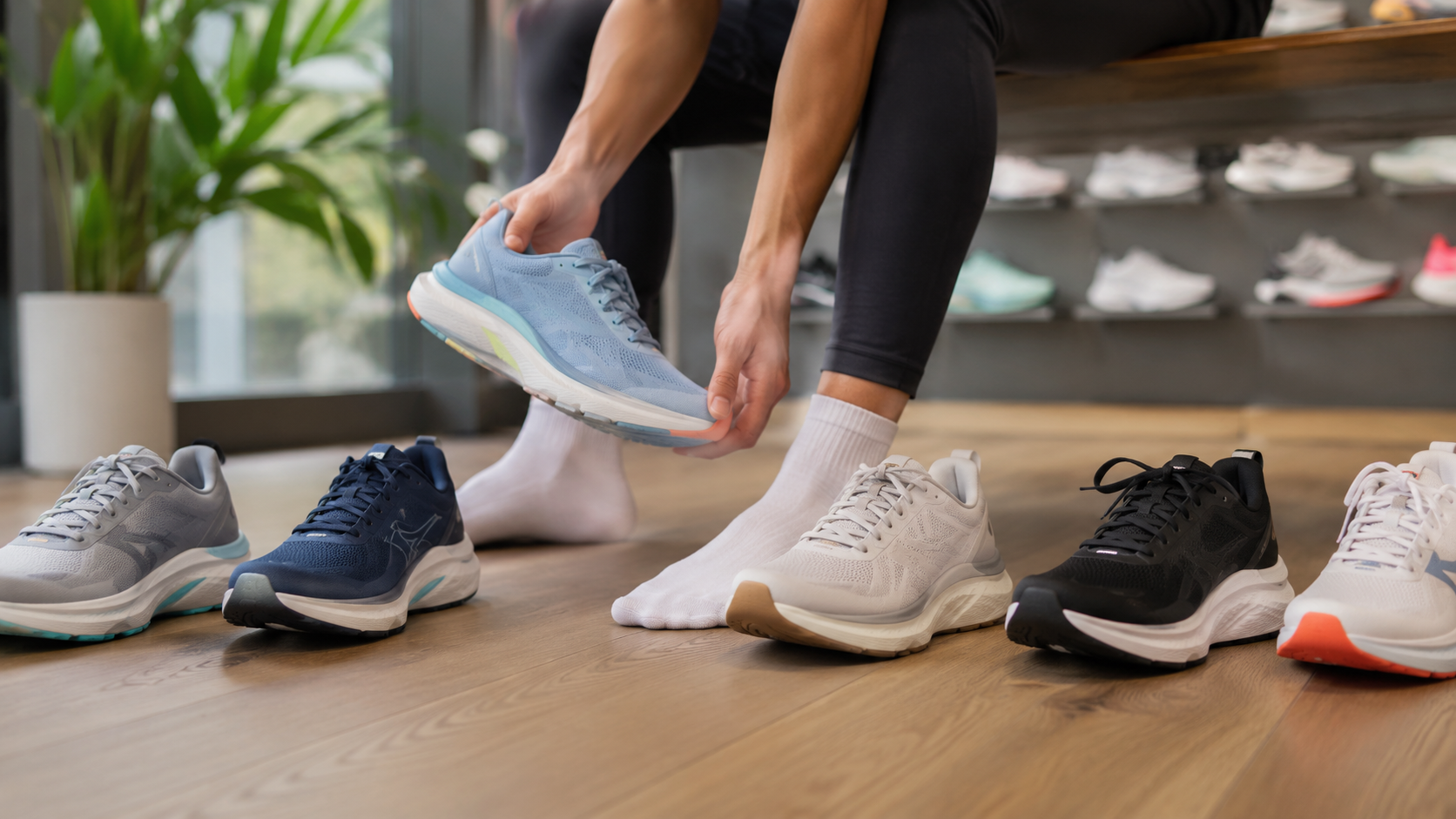
Finding the right running shoe is not just about style or brand. The wrong shoe can leave you with sore knees, shin splints, blisters, or feet that feel exhausted after a short run.
The good news is that most people only need to understand a few simple things before choosing the right pair.

1. If You Have Flat Feet
People with flatter arches usually benefit from a more stable shoe that helps control excessive inward rolling of the foot.
Look for:
- Stability running shoes
- Extra arch support
- Wider base designs
A great option:
Why people like it:
- Lightweight for a stability shoe
- Cushioned without feeling too soft
- Popular with beginner and intermediate runners
2. If You Have High Arches
High arches often mean less natural shock absorption. Softer cushioned shoes usually feel much more comfortable.
Look for:
- Neutral running shoes
- Soft foam cushioning
- Flexible midsoles
A great option:
Best for:
- Road running
- Long walks
- Recovery runs
3. If You Heel Strike When Running
A lot of runners land heel first without realizing it. Extra heel cushioning helps reduce impact and makes running feel smoother.
Look for:
- Thick heel cushioning
- Rocker-shaped soles
- Shock absorption
A great option:
Why it works:
- Balanced cushioning
- Comfortable straight out of the box
- Great all-round daily trainer
4. If You Run Short Fast Distances
For sprints, intervals, or shorter runs, lighter shoes help your feet feel quicker and more responsive.
Look for:
- Lightweight trainers
- Responsive foam
- Lower overall weight
A great option:
Best for:
- 5K training
- Faster workouts
- Gym treadmill sessions
5. If You Run Long Distances
Longer runs need comfort more than anything else. Your feet expand over distance, so cushioning and fit matter even more.
Look for:
- Maximum cushioning
- Breathable uppers
- Wider toe boxes
A great option:
Why runners love it:
- Extremely comfortable for long sessions
- Lightweight despite the thick sole
- One of the most searched running shoes online right now
6. Don’t Ignore Shoe Width
A lot of people buy the correct length but the wrong width.
Signs your shoes are too narrow:
- Toes rubbing together
- Numb feet
- Blisters on the sides
Signs they are too wide:
- Heel slipping
- Foot sliding during turns
Quick tip:
You should normally have about a thumb’s width of space in front of your toes.

Final Thoughts
The “best” running shoe does not exist for everyone.
The right shoe depends on:
- Your foot shape
- Running style
- Distance
- Comfort preference
- Injury history
A shoe that feels incredible for one runner might feel terrible for another. Comfort should always come first.
If you are just starting out, focus on getting:
- A comfortable fit
- Enough cushioning
- The correct support level
That alone solves most running shoe problems.
Fitterdaily is supported by its readers and participates in affiliate marketing programs, including Amazon Associates. We may earn commissions from qualifying purchases made through links on this site, at no additional cost to you.
Some images featured on Fitterdaily are digitally generated concept designs created for inspirational purposes. These visuals may not represent physical products or real life spaces exactly as shown.
All content is provided for informational and inspirational purposes only. While we strive for accuracy, we make no guarantees regarding product availability, pricing, specifications, or suitability. Please verify all product details directly with the retailer before purchasing.
Leave a Reply